
The Intersection of Technology and Healthcare: Skills for the Modern Medical Professional
In the rapidly evolving landscape of healthcare, technology has become an integral part of patient care, diagnosis, and treatment. For medical professionals, especially those in specialized roles such as ECG/EKG Technicians, Phlebotomy Technicians, IV Technicians, and Clinical Medical Assistants, staying abreast of technological advancements is no longer optional—it’s essential. This article explores the critical intersection of technology and healthcare, highlighting the skills modern medical professionals need to thrive in this digital age.
The Digital Transformation of Healthcare
The healthcare industry has undergone a significant digital transformation in recent years. Electronic Health Records (EHRs), telemedicine, artificial intelligence (AI), and advanced diagnostic tools have revolutionized how we approach patient care. This shift requires medical professionals to adapt and acquire new skills to effectively utilize these technologies.
ECG/EKG Technicians: Embracing Digital Cardiology
For ECG/EKG Technicians, the transition from paper-based electrocardiograms to digital systems has been transformative. Modern ECG machines now offer:
- Digital signal processing for clearer readings
- Automated interpretation algorithms
- Integration with EHR systems
To excel in this field, technicians must develop skills in:
- Operating digital ECG equipment
- Interpreting computerized ECG results
- Troubleshooting technical issues
- Ensuring data security and patient privacy
Phlebotomy Technicians: Precision through Technology
While the core skill of drawing blood remains crucial, phlebotomy has also been influenced by technological advancements:
- Digital requisition and labeling systems
- Automated sample processing equipment
- Barcode scanning for accurate patient identification
Modern phlebotomists should be proficient in:
- Using digital ordering systems
- Operating automated centrifuges and aliquoters
- Implementing barcode technology for sample tracking
- Understanding basic laboratory information systems (LIS)
IV Technicians: Smart Pumps and Monitoring Systems
Intravenous therapy has seen significant technological improvements, enhancing patient safety and treatment efficacy:
- Smart IV pumps with drug libraries and dose error reduction systems
- Continuous electronic monitoring of infusion rates
- Integration with patient monitoring systems
IV Technicians need to develop skills in:
- Programming and troubleshooting smart pumps
- Interpreting digital infusion data
- Understanding alarm systems and their management
- Utilizing electronic documentation for IV therapy
Clinical Medical Assistants: The Tech-Savvy Generalists
As versatile members of the healthcare team, Clinical Medical Assistants must be adept at using a wide range of technologies:
- Electronic Health Record (EHR) systems
- Digital vital signs monitors
- Point-of-care testing devices
- Telemedicine platforms
Essential tech skills for Clinical Medical Assistants include:
- Proficient use of EHR systems for documentation and data retrieval
- Operating and maintaining various digital medical devices
- Basic troubleshooting of common medical equipment
- Assisting with telemedicine appointments and remote patient monitoring
Overarching Technological Skills for All Medical Professionals
Regardless of specialization, there are several key technological skills that all modern medical professionals should develop:
- Digital Literacy: The ability to navigate various software interfaces, understand basic computer operations, and adapt to new digital tools quickly.
- Data Management: Skills in entering, retrieving, and analyzing patient data accurately and efficiently.
- Cybersecurity Awareness: Understanding the importance of data protection and following best practices to ensure patient information security.
- Telemedicine Competence: Familiarity with video conferencing tools and etiquette for remote patient interactions.
- Continuous Learning: The capacity to stay updated on technological advancements and embrace ongoing training.
The Human Touch in a Digital World
While technological proficiency is crucial, it’s equally important to remember that healthcare is fundamentally about human interaction. The most successful medical professionals will be those who can balance technical skills with empathy, communication, and critical thinking.
For instance, an ECG Technician must not only be adept at operating digital equipment but also skilled in putting anxious patients at ease. A Phlebotomist needs to combine technical precision with a gentle, reassuring manner. IV Technicians should be able to explain complex infusion systems in simple terms to patients and their families. Clinical Medical Assistants must navigate between digital systems and face-to-face patient care seamlessly.
Preparing for the Future
As technology continues to advance, medical professionals must remain adaptable and forward-thinking. Emerging technologies like artificial intelligence, virtual reality for training, and advanced wearable devices for patient monitoring are on the horizon. Educational programs and healthcare institutions should prioritize not just teaching current technologies but also instilling a mindset of continuous learning and technological adaptability.
Conclusion
The intersection of technology and healthcare presents both challenges and opportunities for modern medical professionals. By embracing technological advancements and developing the necessary digital skills, ECG/EKG Technicians, Phlebotomy Technicians, IV Technicians, and Clinical Medical Assistants can enhance their efficiency, improve patient care, and position themselves as invaluable members of the healthcare team. The future of healthcare is digital, and the most successful medical professionals will be those who can harness the power of technology while maintaining the compassionate, human touch that is at the heart of quality healthcare.
References
- Topol, E. J. (2019). High-performance medicine: the convergence of human and artificial intelligence. Nature medicine, 25(1), 44-56.
- Kruse, C. S., Karem, P., Shifflett, K., Vegi, L., Ravi, K., & Brooks, M. (2018). Evaluating barriers to adopting telemedicine worldwide: A systematic review. Journal of telemedicine and telecare, 24(1), 4-12.
- Fridsma, D. B. (2018). Health informatics: a required skill for 21st century clinicians. Bmj, 362, k3043.
- Coiera, E. (2015). Guide to health informatics. CRC press.
- Meskó, B., Drobni, Z., Bényei, É., Gergely, B., & Gy?rffy, Z. (2017). Digital health is a cultural transformation of traditional healthcare. Mhealth, 3.
- Bhavnani, S. P., Narula, J., & Sengupta, P. P. (2016). Mobile technology and the digitization of healthcare. European heart journal, 37(18), 1428-1438.
- Ellahham, S., & Ellahham, N. (2019). Use of artificial intelligence for improving patient flow and healthcare delivery. Journal of Computational and Cognitive Engineering, 1(1), 2-5.
Note: As with all rapidly evolving fields, it’s recommended to check for the most recent publications and guidelines when using this information.
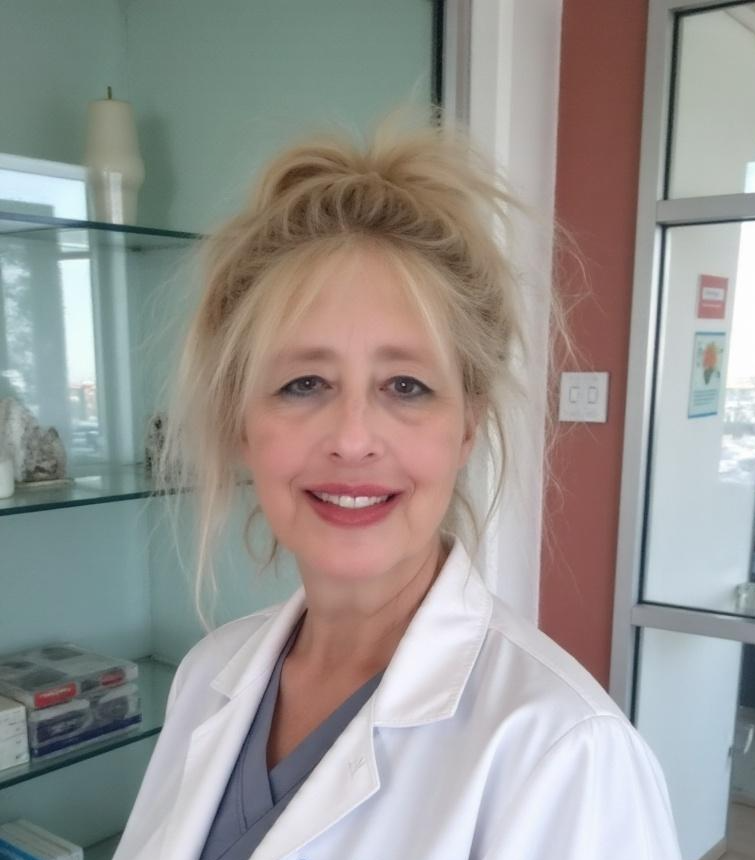
Nancy L. Kimmel obtained her PhD in Environmental Engineering in 2002, then went on to teach Physics and Mechanical Engineering at Lawrence Technological University, Henry Ford College and Oakland University. She obtained her Associate in Nursing from Henry Ford College and then went on to earn her Master Degree as a Family Nurse Practitioner and became Board Certified working as a licensed FNP in the State of Michigan. She then went on to Medical School where she is now in her 3rd year, and is also in the process of obtaining her Doctorate in Nursing Practice through Chamberlin University. She has authored the NET Study Guide, as well a several books on subjects of Math, ECG/EKG and Phlebotomy. She holds a patent on an Air Filter through the U.S. Patent Office.
313-826-2381