
Nutrition as Preventive Medicine: What Healthcare Professionals Need to Know
In the demanding world of healthcare, professionals often find themselves advocating for patient health while neglecting their own nutritional needs. Long shifts, high-stress environments, and limited access to healthy food options can lead to poor dietary habits. This article explores the importance of nutrition as preventive medicine, with a special focus on practical strategies for healthcare providers to improve their own nutritional habits in challenging work environments.
The Power of Nutrition in Preventive Medicine
Nutrition plays a crucial role in preventing a wide range of health issues, including:
- Cardiovascular diseases
- Type 2 diabetes
- Certain cancers
- Obesity
- Mental health disorders
As healthcare providers, understanding and practicing good nutrition not only benefits personal health but also enhances the ability to care for patients effectively.
Nutritional Challenges Faced by Healthcare Professionals
Healthcare providers often face unique obstacles to maintaining a healthy diet:
- Irregular meal times due to unpredictable schedules
- Limited access to healthy food options in healthcare facilities
- Reliance on caffeine and high-sugar snacks for quick energy
- Stress-induced eating patterns
- Insufficient time for meal planning and preparation
Strategies for Improving Nutrition in Healthcare Settings
1. Smart Meal Planning
- Prep meals in advance for the workweek
- Use portion-controlled containers for easy grab-and-go options
- Include a balance of proteins, complex carbohydrates, and healthy fats in each meal
2. Healthy Snacking Options
- Keep nutrient-dense snacks on hand, such as:
- Mixed nuts and seeds
- Fresh fruits and cut vegetables
- Greek yogurt
- Whole grain crackers with nut butter
- Homemade energy bars
3. Hydration Strategies
- Carry a reusable water bottle and set hydration goals
- Infuse water with fruits or herbs for variety
- Limit caffeine intake, especially in the latter half of shifts
4. Mindful Eating Practices
- Take short breaks to eat, even during busy shifts
- Practice mindful eating to enhance satiety and digestion
- Avoid eating while performing other tasks or charting
5. Navigating Cafeteria and Vending Machine Options
- Look for whole food options in cafeterias
- Choose baked or grilled items over fried foods
- Opt for salads with lean proteins and dressing on the side
- In vending machines, choose nuts, seeds, or dried fruit over chips and candy
The Role of Nutrition in Stress Management
Proper nutrition can play a significant role in managing the high stress levels common in healthcare professions:
- Complex carbohydrates can boost serotonin levels, promoting calm
- Omega-3 fatty acids may help reduce symptoms of stress and anxiety
- Adequate protein intake supports stable blood sugar levels and mood
- Limiting caffeine and sugar can prevent energy crashes and mood swings
Creating a Culture of Nutritional Awareness
Healthcare institutions can support better nutrition for their staff by:
- Providing healthier options in cafeterias and vending machines
- Offering nutrition education programs for staff
- Creating dedicated spaces for meal breaks
- Implementing policies that ensure adequate break times for meals
Practical Meal and Snack Ideas for Healthcare Professionals
Quick and Nutritious Meals
- Overnight oats with berries and nuts
- Whole grain wrap with lean protein and vegetables
- Quinoa bowl with mixed vegetables and grilled chicken
- Greek yogurt parfait with granola and fruit
Satisfying and Healthy Snacks
- Apple slices with almond butter
- Hummus with carrot and cucumber sticks
- Trail mix with nuts, seeds, and a small amount of dried fruit
- Hard-boiled eggs with whole grain crackers
- Edamame beans
The Impact of Improved Nutrition on Patient Care
When healthcare professionals prioritize their own nutrition:
- They have more energy and mental clarity during long shifts
- They can serve as better role models for patients
- They’re better equipped to provide nuanced nutritional advice
- Their improved mood and reduced stress can enhance patient interactions
Conclusion
Nutrition is a powerful tool in preventive medicine, not just for patients but for healthcare providers themselves. By implementing practical strategies to improve dietary habits in challenging work environments, healthcare professionals can enhance their own health, set a positive example, and provide better care for their patients. Remember, taking care of your nutritional needs is not selfish – it’s a crucial part of being an effective healthcare provider.
References
- Academy of Nutrition and Dietetics. (2020). Position of the Academy of Nutrition and Dietetics: The Role of Medical Nutrition Therapy and Registered Dietitian Nutritionists in the Prevention and Treatment of Prediabetes and Type 2 Diabetes. Journal of the Academy of Nutrition and Dietetics, 120(8), 1286-1306.
- Lemaire, J. B., Wallace, J. E., Dinsmore, K., Lewin, A. M., Ghali, W. A., & Roberts, D. (2010). Physician nutrition and cognition during work hours: effect of a nutrition based intervention. BMC Health Services Research, 10, 241.
- Makhdom, A. M., & Alini, M. (2021). Nutrition as Preventative Medicine: A Call to Restructure Medical Education. Journal of the American College of Nutrition, 40(4), 288-291.
- Patel, V., Mazzola, N., Khanfar, N., & Bhattacharya, M. (2019). The impact of healthcare professional stress and burnout on patient safety and quality of care. Innovations in Pharmacy, 10(2), 1-4.
- Sartori, A., Fiorini, S., Ferretti, F., Iseppi, G., Gambini, D., & Sani, E. (2022). Nutritional status and eating habits of healthcare workers: An observational study in COVID-19 and non-COVID-19 units. Nutrition, 93, 111455.
- World Health Organization. (2018). Healthy diet. https://www.who.int/news-room/fact-sheets/detail/healthy-diet
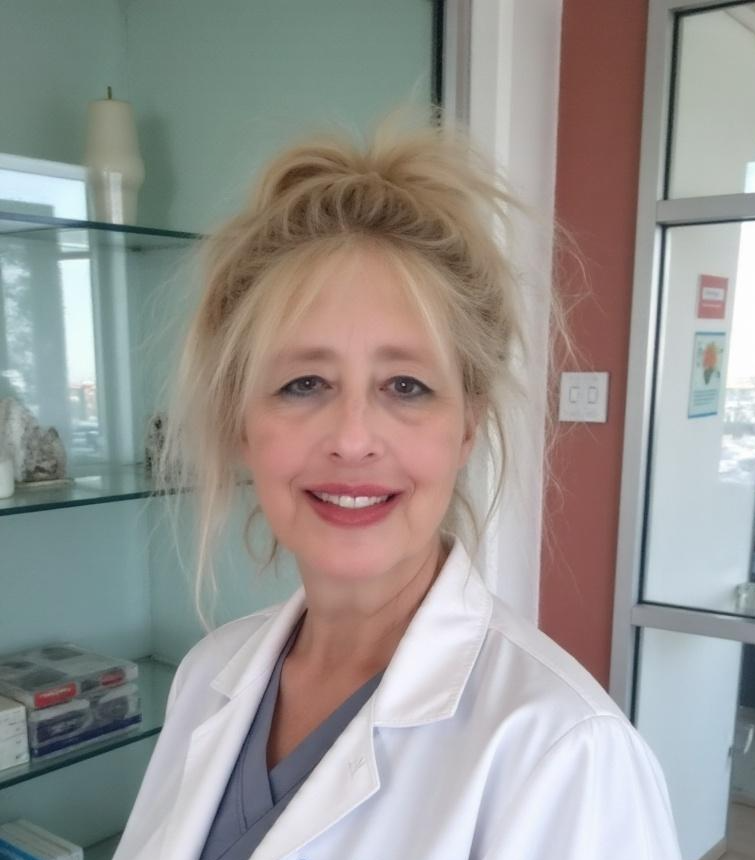
Nancy L. Kimmel obtained her PhD in Environmental Engineering in 2002, then went on to teach Physics and Mechanical Engineering at Lawrence Technological University, Henry Ford College and Oakland University. She obtained her Associate in Nursing from Henry Ford College and then went on to earn her Master Degree as a Family Nurse Practitioner and became Board Certified working as a licensed FNP in the State of Michigan. She then went on to Medical School where she is now in her 3rd year, and is also in the process of obtaining her Doctorate in Nursing Practice through Chamberlin University. She has authored the NET Study Guide, as well a several books on subjects of Math, ECG/EKG and Phlebotomy. She holds a patent on an Air Filter through the U.S. Patent Office.
313-826-2381