Indecisiveness is not ideal when you’re thinking about shifting your occupation. You’ll require a proper strategy that you can justify to yourself as well as your family (don’t forget your budget either!). You should seek a clear next step when looking for consistent, meaningful employment. Such structured employment can be received through phlebotomy, as the role teaches practical clinical skills that are needed by medical teams consistently.
In phlebotomy classes, you’ll properly learn how to draw blood safely, handle samples properly and with confidence, as well as have good communication with patients. You may also come across the importance of precision and attention to detail because the sample helps to determine lab findings.
Read on to know what you’ll learn and how practice operates when you’re applying for phlebotomy classes.
What Do You Learn in Phlebotomy Classes?
Do you also think of needles when you think of the word ‘phlebotomy’? Well, phlebotomy classes cover a variety of topics, such as safety regulations, communication with patients, management of samples, as well as professional standards that help reduce mistakes.
You also learn the difference between proper patient care and just drawing blood. The blood that you draw will be used by labs to diagnose illnesses, thus helping doctors decide on diagnoses. A patient can require a second draw if a sample is incorrectly identified or obtained. That is stressful and a waste of time.
You learn how to prevent that chain reaction in phlebotomy lessons. You keep yourself organized by practicing routines. When things get hectic, you learn how to maintain your focus. Additionally, you learn how to treat patients who are anxious, worn out or irritated with respect.
So yes, you learn to draw blood. You also learn to do it safely, correctly and with professionalism that shows.
Phlebotomy Classes Start with the Basics: Medical Terms, Anatomy and Safety
Fundamentals are often covered in the first lessons of phlebotomy education. It’s a positive thing. Guesswork is eliminated by basics, which keeps you composed during practice.
Basic anatomy pertaining to veins and blood flow, standard medical terminology as well as infection control practices that safeguard patients and employees are all things you’ll often study.
You don’t necessarily have to be an expert in order to learn this. The aim is functional knowledge, i.e., enough understanding to be able to comprehend what you’re doing and why.
Moreover, safety is one of the core lessons in phlebotomy classes. You get to know how to properly utilize gloves, wash your hands & maintain a clean and safe workstation. The responsibilities seem less daunting & more structured once you understand the reason behind every single step.
Learning About Patient Interaction
A major part of phlebotomy classes is learning how to communicate with patients. Even with excellent skill, you may still have trouble communicating. Patients observe clarity and confidence, as well as tone.
You will learn how to accurately identify patients, describe the process in easy language & win their cooperation without coming off as rigid. Additionally, you learn how to deal with fear. Some folks pass out. Some people get tense. Some people have had negative encounters.
You will learn how to:
- Verify patient identities through phlebotomy SOPs
- Explain the procedure to the patient in clear language
- Assist anxious patients and help them relax while maintaining a professional demeanor
- Stay composed even if the patient isn’t
Such skills are necessary to carefully draw blood and create an encouraging environment for the patient.
Venipuncture Skills in Phlebotomy Classes
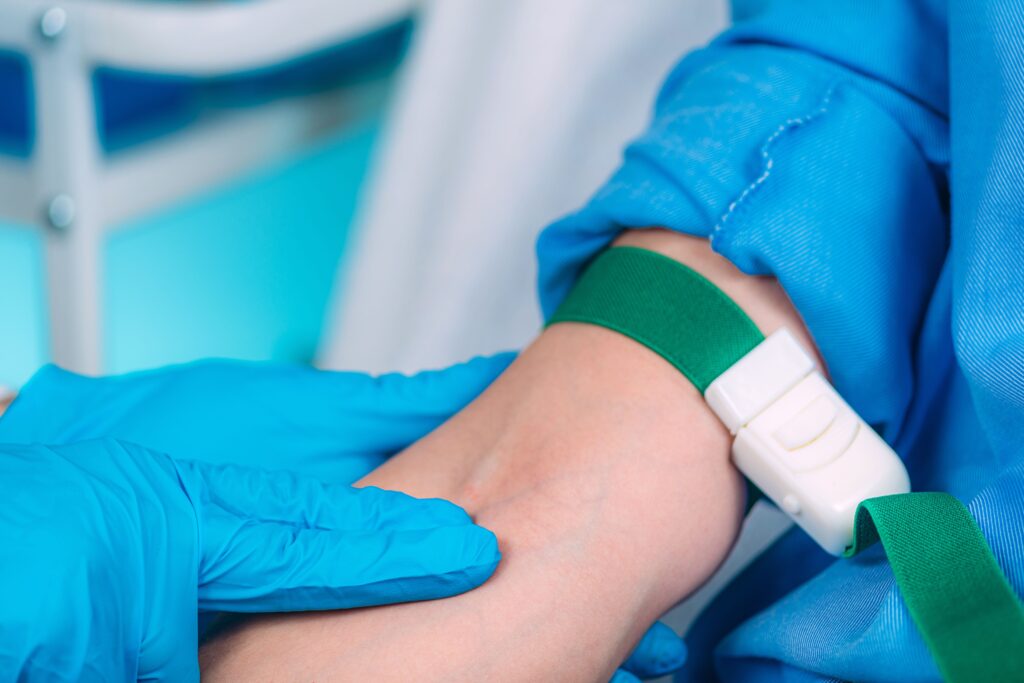
Venipuncture is a necessary skill taught in phlebotomy classes, which is learned properly with hands-on practice and clear instructions. You learn how to arrange your materials, choose a location, tidy up as well as execute the sketch correctly.
- A typical lecture divides it into useful chunks:
- Setting up your supplies and station
- Using a tourniquet appropriately, choosing a suitable vein and putting the needle at the proper angle
- Filling tubes in the proper sequence (as instructed) and precisely and promptly labeling
You also get to learn about the tools and equipment used, such as needles, collection tubes, bandages, sharp containers, etc. You get to learn safe handling techniques for each item.
Truth is, you’ll only be confident through instructor feedback and phlebotomy lessons at the Phlebotomy Career Training, which offers that and more in its phlebotomy classes.
Handling Samples & Learning How to Label Them (Because Mistakes Cost Time)
The blood draw is just one aspect of the work. You’ll focus on what comes next because that’s where mistakes that may be avoided frequently happen.
You learn how to properly identify specimens, adhere to fundamental storage regulations as well as transfer samples in a secure manner. Moreover, you learn documentation practices which help safeguard both you and your patients.
People often make mistakes when they’re in a hurry or not paying attention. By practicing processes repeatedly, you decrease the chances of making mistakes.
Practice these small habits:
- Label as soon as you collect
- Verify patient identities properly
- Organizing equipments to reduce troubles during busy days
Accuracy is necessary in laboratories & it begins with the sample collector.
Safety Training in Phlebotomy Classes: Protecting Patients and Protecting You
Every aspect of phlebotomy classes revolves around safety. You get knowledge about the safety of sharp objects and how to lower the hazards of exposure. You follow safe disposal procedures and utilize personal protective equipment (PPE) such as masks and gloves as needed.
Additionally, you learn what to do in the event that something goes wrong. Perhaps a patient shifts abruptly. There might be a needlestick hazard. A patient may feel lightheaded. The objective is to react coolly and in accordance with protocol.
You should learn precise protocols for reporting, recording as well as obtaining assistance in phlebotomy lessons. That structure is important. Because you have a strategy for typical scenarios, safety training lets you enter clinical practice with less anxiety.
A safe phlebotomy practitioner is not the quickest. A safe phlebotomy practitioner follows procedures and maintains composure.
What Changes and What Shouldn’t in Online vs. In-Person Phlebotomy Classes
A common question is if online phlebotomy courses are “as good” as in-person ones. It would be more appropriate to ask how practical practice is managed.
Theory, medical terminology, safety regulations & step-by-step teaching may all be effectively learned online. Real-time correction and live practice can be more easily accessible in in-person settings. The program’s structure, your learning style & your schedule will determine which option is ideal for you.
Adults with extremely busy schedules frequently require flexibility. The perfect structure is the kind to which you can stick to constantly without allowing life to divert you.
Are You Prepared to Act? Select Phlebotomy Classes and Decide on a Start Date
Safety, patient care, technique as well as accuracy are all taught in phlebotomy classes. These abilities are important to employers and manifest on actual shifts. This course provides a clear path for anyone seeking a practical entrance point into the healthcare industry.
A busy life does not prevent one from changing careers. It only has to be structured. Decide on a date, dedicate yourself to the practice & watch as the results mount.
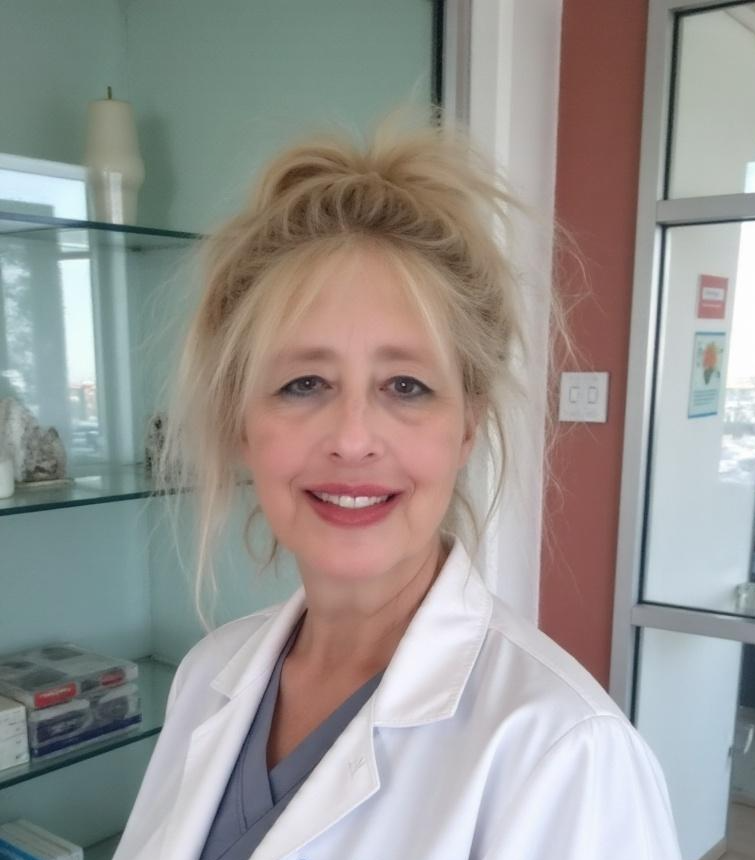
Nancy L. Kimmel obtained her PhD in Environmental Engineering in 2002, then went on to teach Physics and Mechanical Engineering at Lawrence Technological University, Henry Ford College and Oakland University. She obtained her Associate in Nursing from Henry Ford College and then went on to earn her Master Degree as a Family Nurse Practitioner and became Board Certified working as a licensed FNP in the State of Michigan. She then went on to Medical School where she is now in her 3rd year, and is also in the process of obtaining her Doctorate in Nursing Practice through Chamberlin University. She has authored the NET Study Guide, as well a several books on subjects of Math, ECG/EKG and Phlebotomy. She holds a patent on an Air Filter through the U.S. Patent Office.
313-826-2381