
Choosing a healthcare profession can’t be a casual decision. Most people who turn their eyes that way are driven by a desire for the first two things, namely: sure work and purpose, and the third thing, namely: skills that retain their value over time.
But at the same time, uncertainties arise. Will I be wrong? Is it possible for me to manage attending school and also having a social life? Are they going to adequately equip me with the skills for the job? PCT training is designed for people who have these exact questions.
PCT training is really about practicing patient care and clinical skills in a very organized manner. It is not just a theoretical course. It is a preparation for the real healthcare situation where patients are in need of the utmost attention and care.
This article is about PCT training and how it equips students with skills to work in healthcare roles where there is a staff shortage. You will be able to understand how patient care skills are taught, how, through hands-on practice, confidence is built up, and why employers depend on trained Patient Care Technicians after reading this article.
Good preparation is what changes the feeling of being uncertain to the feeling of being ready.
PCT Training and the Reality of High-Demand Healthcare Roles
Healthcare systems can’t operate without support personnel on a daily basis. There is a constant need for trained personnel in hospitals, clinics, and long term care facilities who can not only assist patients but also support clinical teams. PCT training is one of the ways through which students are prepared for such vital roles.
Patient Care Technicians are literally the eyes and ears of the patients. They meet the patients’ daily needs, report any changes to the nurses and providers, and are the communication bridge between the two. All these duties require that one be dependable and concentrated. PCT training is quite straightforward about this aspect of the job.
In-demand healthcare jobs are usually characterized by long working hours, diverse patient needs, and collaboration among the staff. PCT training familiarizes the students with such conditions right from the beginning.
One gets to know the job so that his /her confidence is never misplaced. It is essential to be well prepared because patient care is dependent upon people who are present, alert, and composed.
What PCT Training Teaches About Patient-Centered Care
Patient centered care is the main focus of the PCT training. Students are mortified from the very first lessons that care is initiated with respect and clear routines. Patients are more comfortable when the caregivers are calm, prepared, and consistent.
PCT training educates students in supporting a person’s dignity through the day-to-day tasks. It is very basic and simple things, for example, telling the patient what you are going to do, listening first of all to the worries of the patient, answering in a gentle and patient manner, which contribute to the experience of the patient. These methods are so deeply remembered that they become natural.
Continuity is important too. People may feel scared, uneasy, or lost. PCT training demonstrates how giving regular and familiar care helps patient’s minds to be at ease and in a good state of trusting the process. When students grasp the importance of these practices, caring for patients becomes less of a burden and more a way toward a goal.
Clinical Skills You Build Through PCT Training
In PCT training, developing hands- on clinical skills is an essential component. Students are taught a number of tasks that help to monitor the patient and ensure care is provided accurately. These skills need concentration and continuous practice.
Usually, the instruction covers areas such as taking vital signs, monitoring the patient’s condition, and recording information accurately. PCT training puts a great emphasis on the correctness of the data as clinical teams depend on the accurate data to make care decisions.
Practice makes perfect. Students get the skill routines down so well that it becomes second nature to them. PCT training also teaches students to be very attentive to the details of the instructions and to be aware of small changes which might be significant. These clinical skills are directly related to patient safety. When students comprehend the role they play in the overall care setting, their confidence turns into skill through competence.
Safety and Infection Control in PCT Training
Safety is a key focus continuously emphasized throughout each level of PCT training. Students are taught hygiene, proper glove use, and exposure prevention techniques that keep both patients and staff safe. Such instruction is not rushed and the information is repeated until it becomes natural.
PCT training describes the process of infection transmission and how our daily routines can help lower the risk. Hand washing correctly, wearing protective gear, and disinfecting regularly are more important than most people think.
The students are also given procedures to follow in case of safety issues. Having knowledge of the right steps to take calmly and properly following the safety protocol helps lessen the feeling of fear. PCT training constantly reminds students that safety habits are beneficial to all persons involved in patient care. Through repeated practice, the students become able to use these safety habits without any second thoughts.
Communication Skills Strengthened Through PCT Training
Clear communication is instrumental in ensuring safe patient care. Hence, training in PCT provides students with opportunities to practice effective communication. Students learn a range of communication techniques such as the art of polite speech when addressing patients, families, and other healthcare staff.
Training stresses on clarity as well as the tone of the conversation. Patients can sometimes be upset or scared. Hence, PCT training equips students with skills to respond in a calm manner and give correct, precise information.
PCT training through continuous practice helps the trainees to become proficient in the following:
- use simple words when explaining things
- be attentive while a patient is expressing his/her concern
- clearly communicate what a nurse should know about a patient, based on the observation
- manage one’s emotions effectively when stressed
Effective communication is a vehicle to teamwork as well as a way to ease patients’ worries. Ultimately, these skills go a long way in ensuring that new technicians transition into their roles feeling confident rather than panicking.
Hands-On Practice in PCT Training Builds Real Confidence
Confidence is not obtained by reading alone. PCT training is mainly dependent on doing what it hands to students to learn by doing. Under guidance, students perform tasks, receive correction, and try again.
Mistakes are normal and necessary during the learning process and in fact students through PCT training are given a lot of opportunities to make errors in the safety of the environment so that they can keep on practicing and adjusting their techniques under no pressure/in a stress free manner. Instructor feedback helps students refine skills step by step.
In the end, with enough repetition, what was initially new will soon be familiar to the students. PCT training are furthermore, students are encouraged to keep checking with their instructor and to take their time their confidence will grow even more going through the lessons, and finally, e.g., when students enter a healthcare setting, they are more confident and less scared of the procedures because by that time they know/they have already been through that.
How PCT Training Matches Real Healthcare Workflows
Healthcare providers largely operate within a certain routine. Therefore, PCT training also mirrors that kind of structure. Pupils are taught how to plan their work, use time efficiently and understand instructions thoroughly. The PCT training indicates that these habits will make the entire shift a smooth one.
Teamwork has its place in patient care as well. PCT training demonstrates how patient care technicians assist nurses and other healthcare providers by being reliable, and observant. The knowledge of proper reporting of concerns and following instructions is important.
Although each work setting has its unique speed, PCT training provides students with skills that enable them to make their adjustments more comfortably. Stress is less when one is equipped with familiar routines especially during the first days of work.
Training offers a medium that links what has been learnt in the classroom to what one should realistically expect without giving an impression that the job is very easy.
Why Employers Value Candidates with PCT Training
Employers want reliable preparation. PCT training assists students in acquiring the traits that healthcare teams appreciate.
Dependability is reflected in one’s performance every time. Accuracy is evidenced by one’s careful measurement and documentation.
Behaving in a way that focuses on the patient is another distinguishing factor. PCT training instructs students to always prioritize patient comfort and safety.
The employer is more inclined to be sure of a decision when he/she hires a person who is aware of his/her duties right from the first day. Preparation engenders trust and cuts down on the problems encountered when a new employee is being integrated.
Is PCT Training a Good Fit for You?
It’s typical that PCT training matches well with people who are patient, attentive, and at ease with working closely with others. This training method can be very comforting if you appreciate order and clear instructions.
You don’t have to have any previous experience. PCT training educates the learners in the skill area one step at a time. What’s most important is the commitment, focus, and willingness to practice, rather than being perfect right from the start.
Take Action: Use PCT Training to Enter a High-Demand Healthcare Role
A PCT training program trains students on patient care skills, clinical confidence, and safety awareness that result in dependable healthcare professionals. Preparation is the key to converting enthusiasm into capability.
If you are thinking about this path, then follow these simple steps:
- Decide how many hours a week you can dedicate
- Select a training style that suits your schedule
- Draft a clear career goal in a sentence
- Reach out to a training provider with focused questions
High-demand healthcare jobs are more about readiness than rushing. With continuous effort and organized PCT training, you can equip yourself to be a source of comfort for patients and a reliable member of healthcare teams.
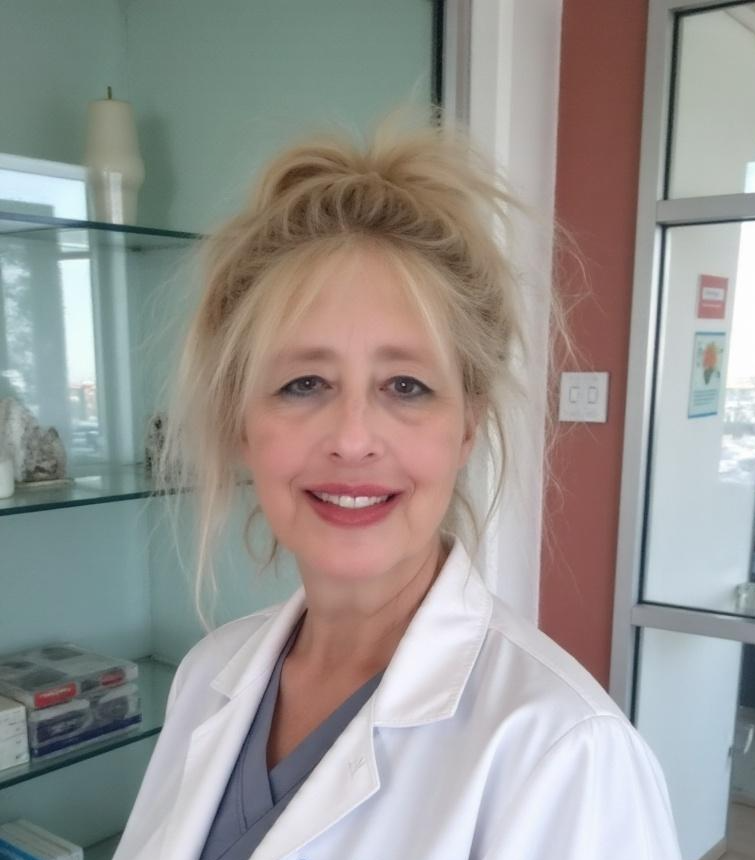
Nancy L. Kimmel obtained her PhD in Environmental Engineering in 2002, then went on to teach Physics and Mechanical Engineering at Lawrence Technological University, Henry Ford College and Oakland University. She obtained her Associate in Nursing from Henry Ford College and then went on to earn her Master Degree as a Family Nurse Practitioner and became Board Certified working as a licensed FNP in the State of Michigan. She then went on to Medical School where she is now in her 3rd year, and is also in the process of obtaining her Doctorate in Nursing Practice through Chamberlin University. She has authored the NET Study Guide, as well a several books on subjects of Math, ECG/EKG and Phlebotomy. She holds a patent on an Air Filter through the U.S. Patent Office.
313-826-2381