
Alzheimer’s & Brain Awareness Month: Shedding Light on a Devastating Disease
June marks Alzheimer’s & Brain Awareness Month, a time dedicated to raising awareness about Alzheimer’s disease and other dementias, as well as promoting brain health education. This annual observance serves as a crucial reminder of the profound impact these conditions have on millions of individuals and their loved ones worldwide.
Alzheimer’s disease is a progressive and irreversible neurodegenerative disorder that slowly erodes memory, cognitive abilities, and eventually, the ability to carry out even the simplest of tasks. As the most common form of dementia, it accounts for an estimated 60-80% of all cases. The toll it takes on individuals, families, and caregivers cannot be overstated.
While age remains the greatest known risk factor for Alzheimer’s, the disease is not a normal part of aging. Its devastating effects can strike individuals as early as their 30s and 40s, robbing them of their most precious faculties during what should be the prime of their lives.
Despite decades of research, the exact causes of Alzheimer’s remain largely unknown, and there is currently no cure. However, ongoing scientific investigations are shedding light on potential risk factors, such as genetics, lifestyle choices, and environmental influences, all of which could play a role in the development and progression of the disease.
Alzheimer’s & Brain Awareness Month aims to educate the public about the warning signs and symptoms of Alzheimer’s and other dementias, encouraging early detection and diagnosis. Early intervention can help individuals and their families better prepare for the challenges ahead and explore available treatment options that may temporarily alleviate symptoms or slow the disease’s progression.
Moreover, this observance highlights the importance of brain health and promoting lifestyle choices that may reduce the risk of cognitive decline. Regular physical exercise, a nutritious diet, mental stimulation, and social engagement are all believed to contribute to maintaining a healthy brain as we age.
As the world’s population continues to grow older, the prevalence of Alzheimer’s and other dementias is expected to rise, placing an immense burden on healthcare systems and caregivers. Alzheimer’s & Brain Awareness Month serves as a powerful reminder of the urgent need for continued research, increased funding, and improved support services for those affected by these devastating conditions.
Join the Alzheimer’s Association and countless organizations worldwide in raising awareness, advocating for research, and supporting those living with Alzheimer’s and their caregivers. Together, we can work towards a future where these conditions are better understood, prevented, and ultimately, overcome.
A Mini-Mental State Examination (MMSE) is a set of 11 questions that doctors and other healthcare professionals commonly use to check for cognitive impairment (problems with thinking, communication, understanding and memory)
This multiplicity of versions that have been generated over time at the international level has been criticized by the authors who originated the test, and they themselves have tried to rectify this problem by providing a guidance manual and a list of authorized versions and translations 31 . The proliferation of versions reflects not only the internationalization of the MMSE but also the need for a more precise instrument in the cognitive domain which is more in line with sociocultural variations.

To download the Mini Mental State Exam please MMSE.
Alzheimer’s Association 225 N. Michigan Ave., Fl. 17 Chicago, IL 60601-7633 www.alz.org/abam
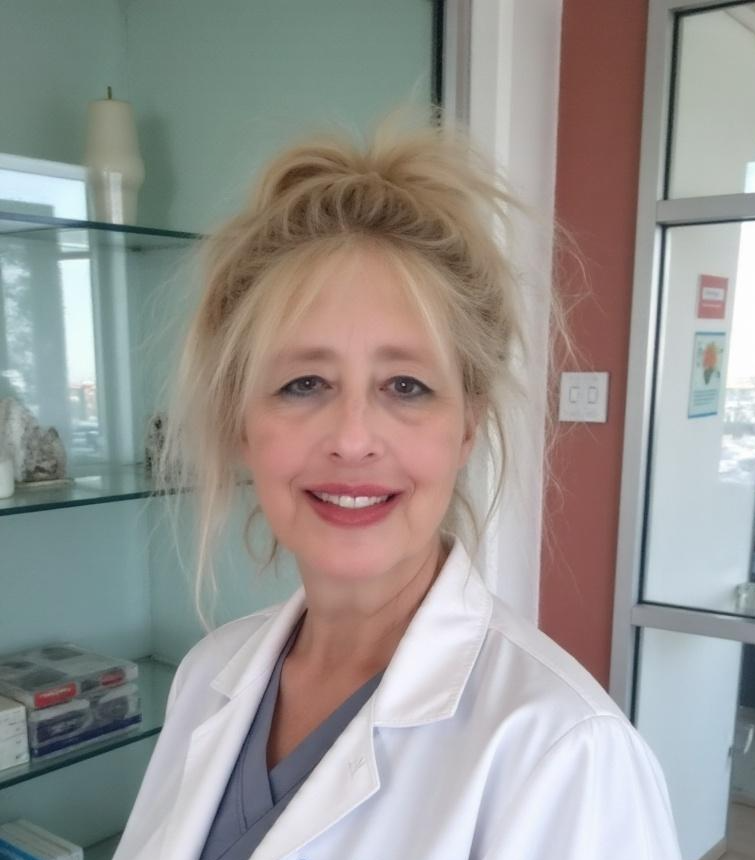
Nancy L. Kimmel obtained her PhD in Environmental Engineering in 2002, then went on to teach Physics and Mechanical Engineering at Lawrence Technological University, Henry Ford College and Oakland University. She obtained her Associate in Nursing from Henry Ford College and then went on to earn her Master Degree as a Family Nurse Practitioner and became Board Certified working as a licensed FNP in the State of Michigan. She then went on to Medical School where she is now in her 3rd year, and is also in the process of obtaining her Doctorate in Nursing Practice through Chamberlin University. She has authored the NET Study Guide, as well a several books on subjects of Math, ECG/EKG and Phlebotomy. She holds a patent on an Air Filter through the U.S. Patent Office.
313-826-2381