
Seeing the World Clearly: Understanding Cataracts
June is Cataract Awareness Month, an opportunity to shed light on a common eye condition that affects millions of people worldwide. Cataracts are a leading cause of vision impairment and blindness, yet many individuals remain unaware of their risk factors, symptoms, and treatment options. This month, let’s embark on a journey to better comprehend cataracts and empower ourselves to maintain clear, healthy vision.
What are Cataracts? Cataracts are a clouding of the eye’s natural lens, which is responsible for focusing light onto the retina, enabling clear vision. As we age, the proteins in the lens can clump together, causing it to become opaque or cloudy. This clouding can scatter light entering the eye, resulting in blurred or dimmed vision.
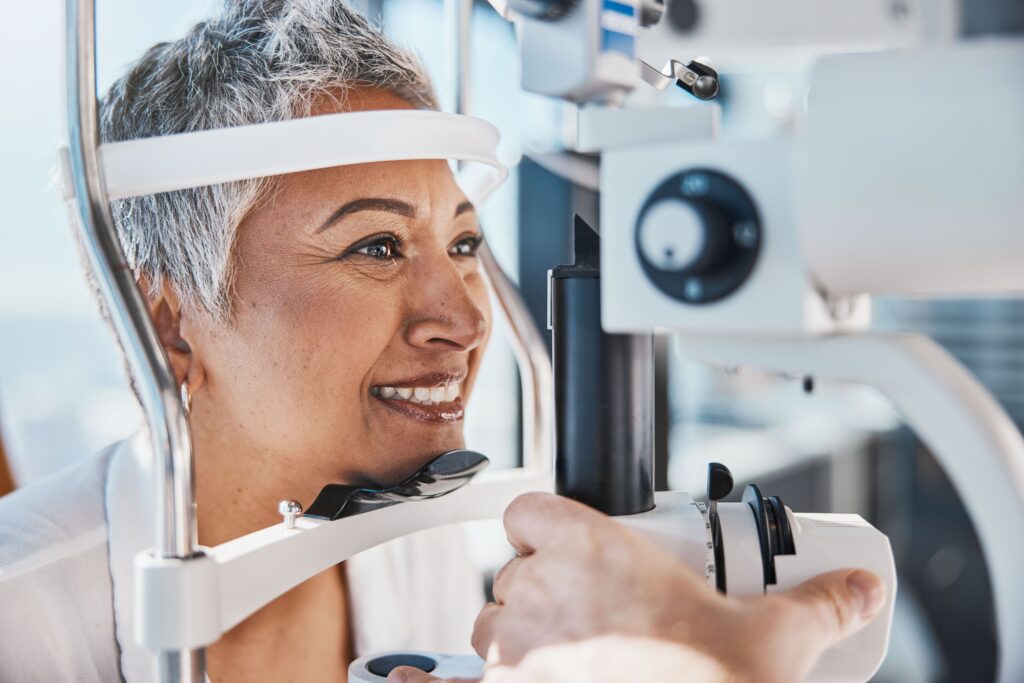
Symptoms and Risk Factors The most common symptom of cataracts is a gradual, painless loss of vision. Other signs may include:
- Blurred or cloudy vision
- Sensitivity to light and glare
- Difficulty seeing at night
- Fading or yellowing of colors
- Double vision in one eye
While cataracts are primarily age-related, other risk factors include diabetes, smoking, excessive alcohol consumption, prolonged exposure to sunlight, and certain medications or medical conditions.
Prevention and Early Detection While cataracts are not entirely preventable, there are steps you can take to reduce your risk and detect them early:
- Regular eye exams: Comprehensive eye exams are crucial for detecting cataracts in their early stages when treatment is most effective.
- Protect your eyes from UV radiation: Wear sunglasses and hats with brims to shield your eyes from harmful ultraviolet rays.
- Maintain a healthy lifestyle: Eating a balanced diet rich in antioxidants, exercising regularly, and avoiding smoking can help reduce your risk of developing cataracts.
Treatment Options If cataracts begin to interfere with your daily activities or quality of life, your eye care professional may recommend treatment. The most common and effective treatment for cataracts is surgery, where the clouded natural lens is removed and replaced with an artificial intraocular lens (IOL).
Cataract surgery is generally safe and effective, with a high success rate in restoring clear vision. The procedure is typically performed on an outpatient basis, and most patients experience a rapid recovery and improvement in their vision.
Embrace Clear Vision Cataracts are a common condition, but they don’t have to compromise your ability to see the world around you. By being proactive about your eye health, seeking regular eye exams, and exploring treatment options when necessary, you can take control of your vision and continue to embrace life’s vibrant colors and details.
This Cataract Awareness Month, empower yourself with knowledge and take the first step toward clearer, brighter days ahead.
To watch a animated video of cataract surgery please click on the You Tube link.
For more information and resources on cataracts, please visit the American Academy of Ophthalmology: P.O. Box 7424 San Francisco, CA 94120-7424 aao.org/eyesmart

Nancy L. Kimmel obtained her PhD in Environmental Engineering in 2002, then went on to teach Physics and Mechanical Engineering at Lawrence Technological University, Henry Ford College and Oakland University. She obtained her Associate in Nursing from Henry Ford College and then went on to earn her Master Degree as a Family Nurse Practitioner and became Board Certified working as a licensed FNP in the State of Michigan. She then went on to Medical School where she is now in her 3rd year, and is also in the process of obtaining her Doctorate in Nursing Practice through Chamberlin University. She has authored the NET Study Guide, as well a several books on subjects of Math, ECG/EKG and Phlebotomy. She holds a patent on an Air Filter through the U.S. Patent Office.
313-826-2381