

Celebrating Pharmacy Technicians: The Unsung Heroes of Healthcare
Pharmacy technicians serve as essential healthcare professionals, working diligently behind the scenes to ensure safe and efficient medication dispensing while supporting both pharmacists and patients. Their role has evolved significantly over the years, requiring extensive knowledge, precision, and dedication to patient care.
The Knowledge Foundation
One of the most demanding aspects of a pharmacy technician’s role is their requirement to maintain comprehensive knowledge of at least 300 different medications. This includes understanding generic and brand names, common dosages, drug interactions, side effects, and proper storage requirements. This extensive knowledge base isn’t just about memorization – it’s about understanding how these medications work together and identifying potential problems before they reach patients.
Modern pharmacy technicians must understand various medication classifications, including:
- Cardiovascular medications
- Antibiotics and antivirals
- Pain management drugs
- Psychiatric medications
- Endocrine system medications
- Respiratory medications
- Gastrointestinal drugs
Support to Pharmacists
Pharmacy technicians play a crucial role in supporting pharmacists, allowing them to focus on clinical duties and patient counseling. They handle numerous essential tasks:
Prescription Processing Technicians receive and process prescriptions, verify insurance coverage, and manage prior authorizations. Their attention to detail helps prevent errors and ensures smooth workflow in busy pharmacy settings.
Inventory Management They maintain appropriate stock levels, order supplies, and ensure proper storage conditions for all medications. This includes monitoring expiration dates and maintaining controlled substance records.
Technology Management Modern pharmacy operations rely heavily on technology. Technicians must be proficient in various pharmacy software systems, automated dispensing machines, and electronic health record systems.
Benefits to Public Health
The impact of pharmacy technicians on public health is significant and multifaceted:
Patient Safety Their knowledge of medications helps catch potential errors before they reach patients. They verify prescriptions against patient profiles for possible interactions or contraindications.
Accessibility By handling routine tasks, technicians enable pharmacies to serve more patients efficiently. This increases access to vital healthcare services, particularly in underserved areas.
Cost Management Their expertise in insurance processing and generic substitutions helps patients access more affordable medication options. They often identify patient assistance programs and other cost-saving opportunities.
Education and Communication Technicians often serve as the first point of contact for patients, providing basic medication information and directing complex questions to pharmacists. They bridge the gap between healthcare providers and patients, especially in busy retail settings.
Professional Growth and Specialization
Today’s pharmacy technicians have numerous opportunities for specialization and advancement:
Compounding Some technicians specialize in preparing customized medications, requiring additional training in sterile and non-sterile compounding techniques.
Medication Therapy Management They may assist pharmacists in reviewing patient medication profiles and identifying potential therapy improvements.
Informatics Some focus on healthcare technology, managing electronic health records and automated dispensing systems.
Certification and Training
Modern pharmacy technicians undergo rigorous training and certification processes:
- Completion of accredited pharmacy technician programs
- National certification examinations
- Continuing education requirements
- State-specific licensing requirements
- Specialized certifications for specific practice areas
Future of the Profession
The role of pharmacy technicians continues to evolve with healthcare advances:
- Increased involvement in clinical services
- Greater responsibility in medication therapy management
- Enhanced use of technology and automation
- Expanded roles in specialty pharmacy services
Beyond the Counter
Pharmacy technicians work in various settings beyond retail pharmacies:
- Hospitals and clinical settings
- Long-term care facilities
- Mail-order pharmacies
- Pharmaceutical companies
- Insurance companies
- Government agencies
The value of pharmacy technicians extends far beyond their technical duties. They serve as essential members of the healthcare team, contributing to patient safety, medication accessibility, and overall public health. Their comprehensive knowledge of medications, combined with their technical skills and patient care focus, makes them invaluable assets to modern healthcare delivery.
References:
American Society of Health-System Pharmacists. (2023). Pharmacy Technician Certification Requirements and Training Standards. ASHP Technical Report.
Johnston, K., et al. (2022). The Evolving Role of Pharmacy Technicians in Modern Healthcare. American Journal of Health-System Pharmacy, 79(15), 1234-1242.
Pharmacy Technician Certification Board. (2023). National Certification Standards and Requirements. PTCB Guidelines.
Smith, R. D., & Anderson, M. (2022). Impact of Pharmacy Technicians on Healthcare Delivery: A Systematic Review. Journal of Pharmacy Practice, 35(4), 412-425.
National Healthcare Association. (2023). Pharmacy Technician Training and Education Requirements. NHA Professional Standards Guide.
American Association of Pharmacy Technicians. (2023). Scope of Practice Guidelines for Pharmacy Technicians. AAPT Professional Standards.
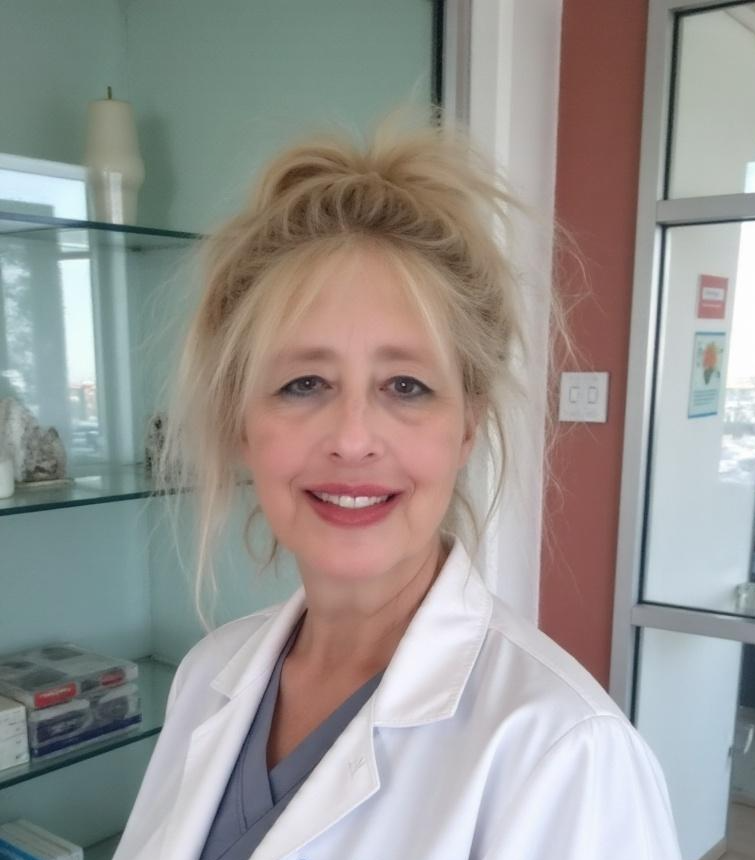
Nancy L. Kimmel obtained her PhD in Environmental Engineering in 2002, then went on to teach Physics and Mechanical Engineering at Lawrence Technological University, Henry Ford College and Oakland University. She obtained her Associate in Nursing from Henry Ford College and then went on to earn her Master Degree as a Family Nurse Practitioner and became Board Certified working as a licensed FNP in the State of Michigan. She then went on to Medical School where she is now in her 3rd year, and is also in the process of obtaining her Doctorate in Nursing Practice through Chamberlin University. She has authored the NET Study Guide, as well a several books on subjects of Math, ECG/EKG and Phlebotomy. She holds a patent on an Air Filter through the U.S. Patent Office.
313-826-2381