
Cultural Competence in Healthcare: Improving Patient Outcomes Through Understanding
In our increasingly diverse society, cultural competence has become a critical skill for healthcare professionals. This article explores the importance of cultural competence in healthcare, its impact on patient outcomes, and how various healthcare roles can incorporate cultural awareness into their practice.
What is Cultural Competence in Healthcare?
Cultural competence in healthcare refers to the ability to effectively deliver health care services that meet the social, cultural, and linguistic needs of patients. It encompasses:
- Awareness of one’s own cultural worldview
- Knowledge of different cultural practices and worldviews
- Skills in cross-cultural communication and interaction
- The ability to effectively work with people across cultures
The Importance of Cultural Competence
Cultural competence is crucial in healthcare for several reasons:
- Improved Patient Outcomes: When healthcare providers understand and respect cultural differences, patients are more likely to follow treatment plans and preventive measures.
- Enhanced Communication: Cultural competence reduces miscommunications and misunderstandings between providers and patients.
- Increased Patient Satisfaction: Patients who feel understood and respected are more satisfied with their care.
- Reduced Health Disparities: Cultural competence helps address health disparities among different ethnic and cultural groups.
Cultural Competence in Specific Healthcare Roles
ECG/EKG Technicians
ECG/EKG Technicians can improve their cultural competence by:
- Understanding cultural attitudes towards physical touch and modesty
- Explaining procedures clearly, considering language barriers
- Being aware of cultural beliefs about heart health and medical interventions
Example: An ECG Technician working with a female patient from a conservative culture might need to ensure a female chaperone is present during the procedure.
Phlebotomy Technicians
Phlebotomists can enhance their cultural competence through:
- Learning about cultural beliefs related to blood and blood drawing
- Understanding dietary practices that might affect blood tests
- Being sensitive to cultural attitudes towards pain and discomfort
Example: A Phlebotomist might need to be aware that some cultures view blood as sacred and may have concerns about blood draws.
IV Technicians
IV Technicians can improve their cultural competence by:
- Understanding cultural attitudes towards medical interventions
- Being aware of cultural practices that might affect IV placement (e.g., fasting periods)
- Communicating effectively about the procedure, considering language and cultural barriers
Example: An IV Technician might need to work around prayer times or fasting periods when scheduling IV treatments for patients of certain faiths.
Clinical Medical Assistants
As versatile healthcare team members, Clinical Medical Assistants can enhance their cultural competence by:
- Learning about diverse health beliefs and practices
- Understanding cultural attitudes towards preventive care
- Being aware of cultural norms in communication and interpersonal interactions
Example: A Clinical Medical Assistant might need to understand cultural dietary practices when providing nutritional advice to patients.
Key Elements of Cultural Competence
- Self-Awareness: Recognizing one’s own cultural background and biases.
- Cultural Knowledge: Learning about different cultural practices, beliefs, and health disparities.
- Language and Communication: Understanding the importance of clear communication and proper use of interpreters when needed.
- Patient-Centered Care: Tailoring care to individual patient needs and preferences, considering their cultural background.
- Respect and Trust: Building trust with patients by showing respect for their cultural beliefs and practices.
Strategies for Developing Cultural Competence
- Continuous Education: Attend workshops, seminars, or take courses on cultural competence in healthcare.
- Exposure: Seek opportunities to interact with people from diverse backgrounds.
- Self-Reflection: Regularly examine your own biases and assumptions.
- Ask, Don’t Assume: When unsure about a patient’s cultural practices, ask respectfully rather than making assumptions.
- Use Interpreters: Work effectively with professional interpreters when language barriers exist.
- Cultural Assessment: Learn to conduct a cultural assessment as part of patient care.
Overcoming Challenges in Cultural Competence
Developing cultural competence can face several challenges:
- Time Constraints: Healthcare professionals often work under tight schedules, making it challenging to delve into cultural considerations. Solution: Integrate cultural competence into existing workflows and procedures.
- Lack of Resources: Some healthcare settings may lack resources for cultural competence training. Solution: Utilize online resources, community partnerships, and peer-to-peer learning.
- Resistance to Change: Some may view cultural competence as unnecessary or burdensome. Solution: Emphasize the link between cultural competence and improved patient outcomes.
- Oversimplification: Avoid stereotyping or oversimplifying cultural differences. Solution: Recognize diversity within cultures and treat each patient as an individual.
The Impact of Cultural Competence on Patient Outcomes
Research has shown that cultural competence can lead to:
- Increased patient satisfaction and trust in healthcare providers
- Improved adherence to treatment plans
- Better health outcomes, particularly for chronic conditions
- Reduced health disparities among different cultural groups
- Fewer medical errors due to miscommunication or misunderstanding
Conclusion
Cultural competence is not a destination but a continuous journey of learning and adaptation. For ECG/EKG Technicians, Phlebotomy Technicians, IV Technicians, and Clinical Medical Assistants, developing cultural competence is an essential aspect of providing high-quality, patient-centered care. By understanding and respecting cultural differences, healthcare professionals can significantly improve patient outcomes, enhance communication, and contribute to reducing health disparities. In our diverse society, cultural competence is not just an added skill—it’s a fundamental requirement for effective healthcare delivery.
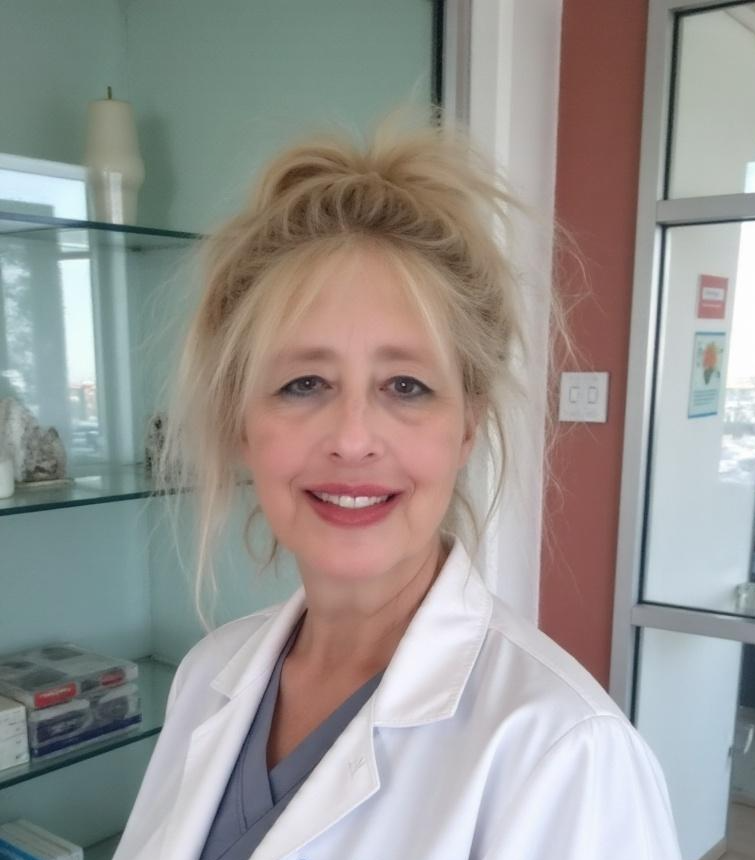
Nancy L. Kimmel obtained her PhD in Environmental Engineering in 2002, then went on to teach Physics and Mechanical Engineering at Lawrence Technological University, Henry Ford College and Oakland University. She obtained her Associate in Nursing from Henry Ford College and then went on to earn her Master Degree as a Family Nurse Practitioner and became Board Certified working as a licensed FNP in the State of Michigan. She then went on to Medical School where she is now in her 3rd year, and is also in the process of obtaining her Doctorate in Nursing Practice through Chamberlin University. She has authored the NET Study Guide, as well a several books on subjects of Math, ECG/EKG and Phlebotomy. She holds a patent on an Air Filter through the U.S. Patent Office.
313-826-2381