
Dealing with Medical Misinformation: How Healthcare Workers Can Educate Patients
In the age of instant information, healthcare workers face a growing challenge: the rapid spread of medical misinformation. From social media myths to pseudoscientific claims, patients are increasingly exposed to inaccurate health information. This article explores strategies for healthcare professionals to effectively address and combat medical misinformation, fostering a culture of health literacy among patients.
Understanding the Scope of Medical Misinformation
Medical misinformation can take various forms:
- False or misleading health claims
- Misinterpretation of scientific studies
- Conspiracy theories related to health and medicine
- Exaggerated or unfounded marketing claims for health products
- Outdated medical information presented as current
The consequences of medical misinformation can be severe, leading to:
- Delayed seeking of proper medical care
- Misuse of medications or treatments
- Unnecessary health scares and anxiety
- Distrust in healthcare systems and professionals
- Public health risks (e.g., reduced vaccination rates)
Strategies for Addressing Medical Misinformation
1. Build Trust and Rapport
- Establish a non-judgmental, open communication environment
- Acknowledge patients’ concerns and the overwhelming nature of health information
- Share your own process for evaluating medical information
2. Enhance Health Literacy
- Educate patients on how to evaluate health information critically
- Introduce concepts of evidence-based medicine in simple terms
- Teach patients to identify red flags in health claims (e.g., miracle cures, conspiracy language)
3. Provide Credible Resources
- Curate a list of reliable health information websites for patients
- Recommend reputable health apps and tools
- Create or share easy-to-understand fact sheets on common health topics
4. Address Misinformation Directly
- When confronting a specific piece of misinformation:
- Acknowledge the patient’s concerns
- Explain why the information is inaccurate
- Provide the correct information from credible sources
- Explain the potential consequences of following the misinformation
5. Use Narrative Techniques
- Share anonymized stories of patients affected by medical misinformation
- Use analogies to explain complex medical concepts
- Employ visual aids to enhance understanding
6. Leverage Technology
- Use social media platforms to share accurate health information
- Create or share short, engaging videos debunking common health myths
- Utilize patient portals to disseminate reliable health information
7. Collaborate with Community Partners
- Work with local libraries, schools, and community centers to promote health literacy
- Participate in community health fairs and events to provide accurate health information
- Engage with local media to combat widespread health misinformation
Overcoming Challenges in Addressing Misinformation
- Time Constraints: Healthcare workers often have limited time with each patient. Solution: Develop efficient, standardized approaches to address common misconceptions.
- Deeply Held Beliefs: Some patients may hold onto misinformation due to personal or cultural beliefs. Solution: Approach discussions with empathy and cultural sensitivity, focusing on building trust over time.
- Overwhelming Volume of Misinformation: New health myths can spread rapidly online. Solution: Stay informed about current health trends and misinformation through professional networks and fact-checking resources.
- Patient Resistance: Some patients may be defensive about their health beliefs. Solution: Use motivational interviewing techniques to guide patients towards accurate information without confrontation.
The Role of Healthcare Institutions
Healthcare institutions can support their staff in combating misinformation by:
- Providing training on effective communication and health literacy
- Developing institutional policies on addressing common health misconceptions
- Creating and maintaining up-to-date patient education materials
- Establishing a presence on social media to share accurate health information
- Collaborating with public health departments to address widespread misinformation
Conclusion
Dealing with medical misinformation is an ongoing challenge for healthcare workers. By employing strategies to enhance patient health literacy, providing credible resources, and addressing misinformation with empathy and clarity, healthcare professionals can play a crucial role in promoting accurate health information. Remember, the goal is not just to correct misinformation, but to empower patients with the skills to evaluate health information critically. In doing so, healthcare workers can foster a trusting relationship with their patients and contribute to better health outcomes in the long run.
References
- Chou, W. Y. S., Oh, A., & Klein, W. M. (2018). Addressing health-related misinformation on social media. Jama, 320(23), 2417-2418.
- Swire-Thompson, B., & Lazer, D. (2020). Public health and online misinformation: challenges and recommendations. Annual review of public health, 41, 433-451.
- Wang, Y., McKee, M., Torbica, A., & Stuckler, D. (2019). Systematic literature review on the spread of health-related misinformation on social media. Social Science & Medicine, 240, 112552.
- Vraga, E. K., & Bode, L. (2017). Using expert sources to correct health misinformation in social media. Science Communication, 39(5), 621-645.
- Scheufele, D. A., & Krause, N. M. (2019). Science audiences, misinformation, and fake news. Proceedings of the National Academy of Sciences, 116(16), 7662-7669.
- Larson, H. J. (2018). The biggest pandemic risk? Viral misinformation. Nature, 562(7727), 309-310.
- Gesser-Edelsburg, A., & Shir-Raz, Y. (2017). Risk communication and infectious diseases in an age of digital media. Routledge.
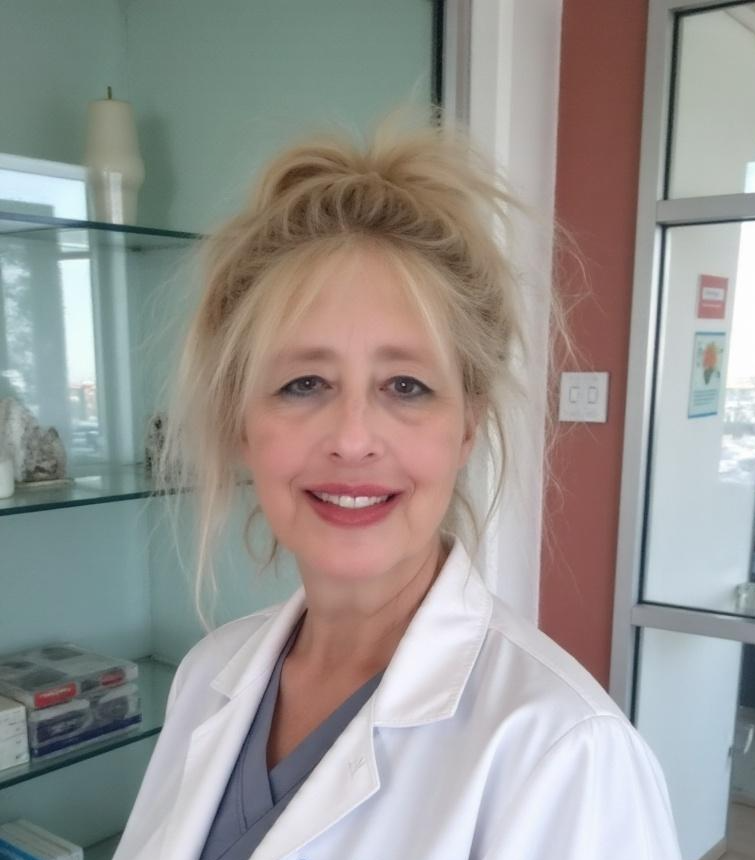
Nancy L. Kimmel obtained her PhD in Environmental Engineering in 2002, then went on to teach Physics and Mechanical Engineering at Lawrence Technological University, Henry Ford College and Oakland University. She obtained her Associate in Nursing from Henry Ford College and then went on to earn her Master Degree as a Family Nurse Practitioner and became Board Certified working as a licensed FNP in the State of Michigan. She then went on to Medical School where she is now in her 3rd year, and is also in the process of obtaining her Doctorate in Nursing Practice through Chamberlin University. She has authored the NET Study Guide, as well a several books on subjects of Math, ECG/EKG and Phlebotomy. She holds a patent on an Air Filter through the U.S. Patent Office.
313-826-2381