Exploring Phlebotomy: A Gateway Career into the Medical Field
When you start working, oftentimes there comes a point when your job starts feeling like a dead end. Sure, the hours pass and the bills are paid. At the same time, there’s little progress or growth. Many individuals get to this moment and desire to have a job that is stable & well-respected. This is where phlebotomy comes into play.
Phlebotomy is a dynamic medical position consisting of a straightforward set of skills with obvious results. While working with patients, you also attend trainings and get to practice further for growth. Hence, phlebotomy ends up being a position where your professional progress is clear with real and tangible tasks as well as responsibilities.
Read this article to understand what a phlebotomy position looks like on a daily basis, what kinds of training you’ll receive in the process, as well as the ways in which this role can help you progress in your medical career.
So, What is Phlebotomy?
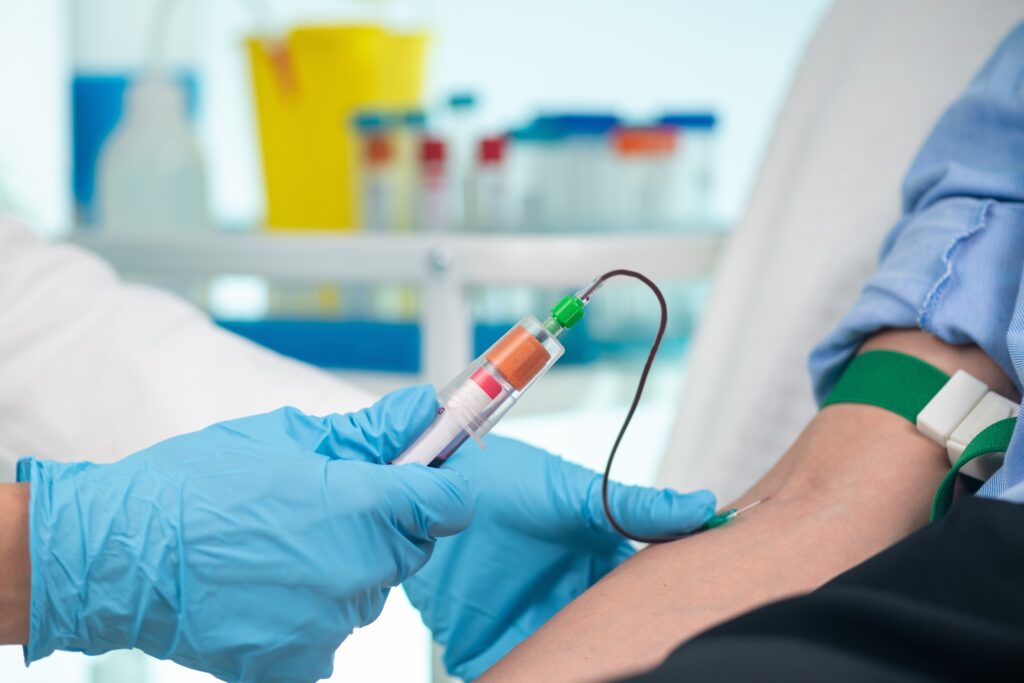
Phlebotomy has an extremely important role in the medical field, i.e., collecting samples of blood from patients, whether it be for testing or donations. As a phlebotomist, you’ll be required to prepare supplies, perform blood draws, label the said samples, then make sure that each sample correctly reaches its respective lab. In this job, accuracy and precision are vital.
Pretty much all parts of healthcare require phlebotomy support. Lab reports and diagnoses from blood samples are important for almost all fields of medicine. Without properly trained phlebotomists, mistakes can occur very easily.
Those who opt for phlebotomy work closely with lab teams and nurses, as well as providers in clinics, hospitals, urgent care centers & blood donation sites. Patient interaction is also a core part of the job. So, one of the responsibilities of a phlebotomist is to also have a calming energy to be able to explain the steps and processes of their procedures. So, professionalism and safe techniques are major requirements of this role.
Phlebotomy: A Stepping Stone
Phlebotomy is often seen as a gateway profession as the training is quite focused as well as based on specific skills. In this regard, the profession is quite clear with its expectations and students receive the specific training that is required for day-to-day practice.
Phlebotomy skills are required in multiple settings, i.e., hospitals, outpatient clinics, labs & donation centers. Thus, there’s a variety of settings you can opt to work in.
Additionally, phlebotomy also helps you develop skills for advanced medical roles, such as infection control, patient communication and documentation combined with teamwork skills. In case you want to get into medicine but also are reluctant to commit to a long program, you might want to choose phlebotomy to give you insights into the healthcare field before moving further into it.
A Day in the Life of a Phlebotomist
A typical shift in phlebotomy starts with reviewing orders and preparing supplies. You 1) confirm the identity of the patient, 2) set up your work station, 3) draw blood, 4) label the blood sample accurately, 5) document all the necessary information and details & 6) make sure that the sample is transported correctly.
As a phlebotomist, you’ll see a variety of patients. Some may be calm while others can be nervous due to the kind of experiences they’ve had in the past.
Professionals in phlebotomy treat people from a variety of backgrounds, including children, adults & and seniors. Patience and clear communication are important.
Every task involves safety. Both patients and employees are protected by gloves, hygiene & appropriate sharps disposal, and cautious labeling. There are days when everything proceeds smoothly. Some are busier, particularly in urgent care centers and hospitals. With consistent practice, the technique becomes doable and each successful sketch boosts confidence.
Phlebotomy’s Strengths as a Resume Builder
Employers notice the technical and interpersonal abilities that phlebotomy develops. Technically speaking, you study the fundamentals of venipuncture, specimen handling, labeling techniques & order verification. These are exact tasks that need to be done consistently.
Additionally, phlebotomy improves concentration and communication. You adhere to stringent procedures while working closely with patients. Maintaining composure benefits all parties.
With more experience, you’ll become more adept at:
- Properly communicating processes to patients
- Performing accurately even when you have a busy shift
- Follow the protocols of safety
- Work well within teams
The above skills are transferable when it comes to other roles within healthcare. You’ll be valued more by employees if you know how to interact with patients and how to conduct routine clinical responsibilities.
What to Expect Within a Phlebotomy Training
When training for phlebotomy, you’ll learn about human anatomy basics pertaining to drawing blood, practicing safety, and infection control, combined with practicing techniques. You’ll get to practice a lot, which will make you comfortable and confident in your career.
If you’re currently analyzing phlebotomy programs, you should seek structured courses, practices supervised by experienced professionals as well as feedback which can help you advance further. Support throughout training is important, even for individuals going back to school.
Some important questions to ask before you apply for a program are:
- How is practical experience given?
- If I have trouble with technique, what kind of help is available?
- What options do working individuals have when it comes to scheduling?
- Is there a certification readiness guide?
A good program gives you a sense of readiness, knowledge, and pressure-free confidence.
The Kind of Opportunities You’ll Receive After Phlebotomy
A lot of employers look for certification when it comes to phlebotomy roles. If you have a certificate, it shows to the employer that you have met a certain standard of knowledge and skill necessary for the job. There are varying organizations that provide certification, so choices usually rely on the expectations of employers as well as one’s own career goals.
Hospitals, outpatient labs, urgent care facilities, donation centers & specialized clinics are among the places where a certified phlebotomist can find job opportunities. Phlebotomy experiences can promote career advancements.
Additionally, phlebotomy establishes a natural link to other credentials. Stacking skills becomes a possibility as your confidence grows. The foundation you currently have is made stronger by each additional certification, making career growth more feasible.
How Can You Move Beyond Phlebotomy?
Usually, phlebotomy acts as a stepping stone for other careers instead of a dead end with no growth opportunities. A lot of times, healthcare professionals start off with phlebotomy before moving on to other roles.
Here are some common opportunities phlebotomy professionals can seek to advance in their careers:
- Medical Assistant roles
- Patient Care Technician trainings
- Phlebotomy combined with EKG skills for wider clinic responsibilities
- Phlebotomy + IV training
Such methods are useful as the field of medicine appreciates experience. As you learn and add skills to your roster over time, you can grow into advanced roles rather than starting from square one. Thus, your progress becomes apparent and also manageable.
A Quick Check to See if Phlebotomy Suits You
If you can follow precise instructions and love dealing with people, phlebotomy can be an appropriate choice for you. Although training can ease anxiety, comfort near blood is important.
Such a position is ideal for individuals seeking stable employment that improves patient care. It’s normal to feel uncertain at first. Repetition, practice & teaching all contribute to the development of confidence. Many pupils are cautious at first and capable toward the end.
Take Action: Begin Developing a Phlebotomy Career in Healthcare
Because phlebotomy is skill-based, in high demand & connected to actual patient care, it provides a useful entry point into the healthcare industry. It provides individuals with a clear path forward so they don’t have to guess what to do next.
If you’re thinking about becoming a phlebotomist, begin with these easy steps:
- Give yourself a period of thirty to ninety days to make training decisions.
- Compare scheduling-friendly online and in-person methods.
- List two or three potential careers in the medical field.
- Make direct inquiries to a training provider.
One step at a time, busy individuals develop their professions. Phlebotomy might be a good starting point with the correct strategy and assistance.
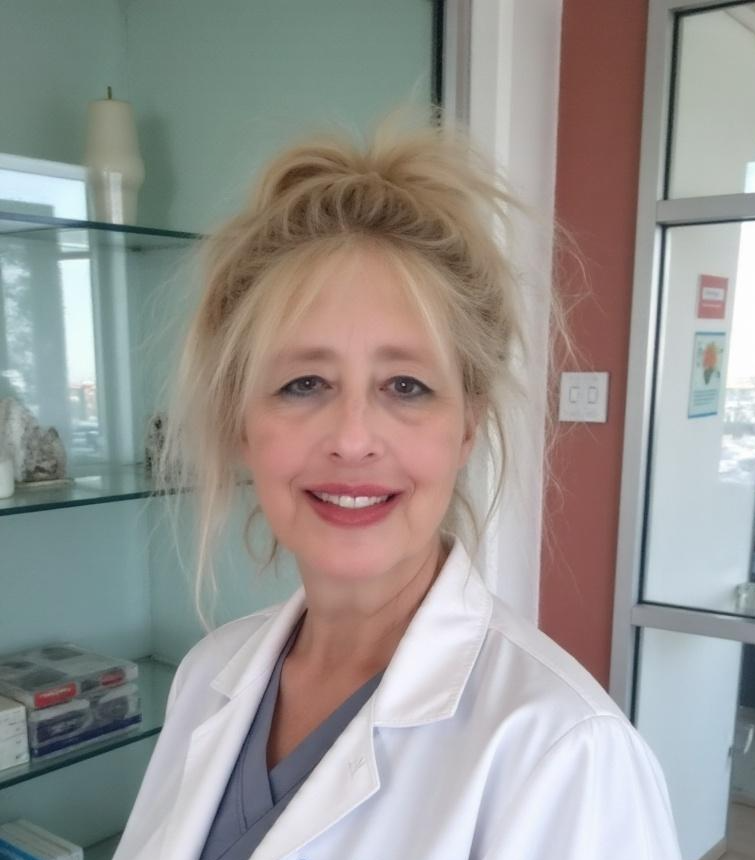
Nancy L. Kimmel obtained her PhD in Environmental Engineering in 2002, then went on to teach Physics and Mechanical Engineering at Lawrence Technological University, Henry Ford College and Oakland University. She obtained her Associate in Nursing from Henry Ford College and then went on to earn her Master Degree as a Family Nurse Practitioner and became Board Certified working as a licensed FNP in the State of Michigan. She then went on to Medical School where she is now in her 3rd year, and is also in the process of obtaining her Doctorate in Nursing Practice through Chamberlin University. She has authored the NET Study Guide, as well a several books on subjects of Math, ECG/EKG and Phlebotomy. She holds a patent on an Air Filter through the U.S. Patent Office.
313-826-2381