

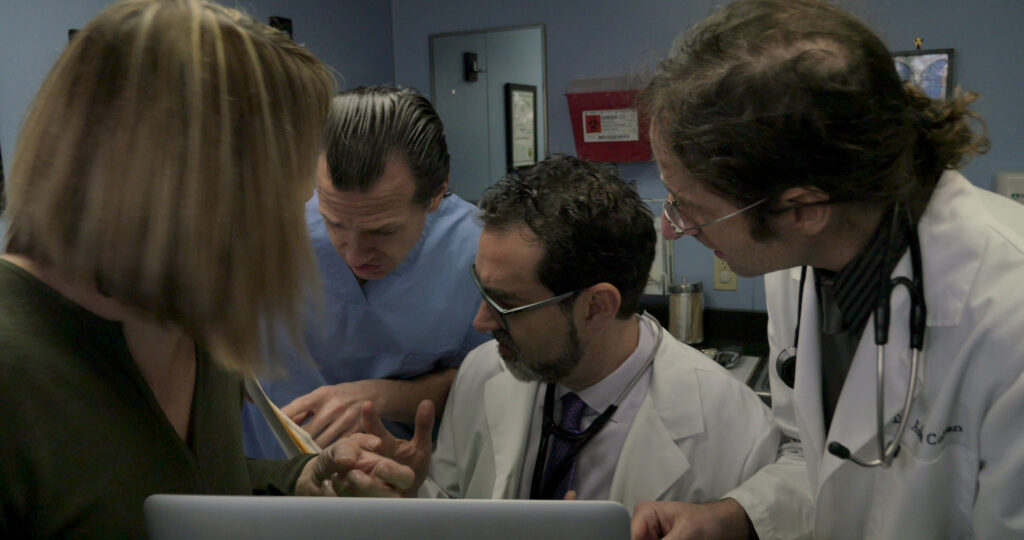
Vital Role: Medical Assistants as Essential Healthcare Team Members
Medical assistants serve as the backbone of physician practices, playing a crucial role in maintaining efficient operations while enabling doctors to focus on patient care. Their multifaceted contribution significantly impacts both practice efficiency and patient satisfaction.
Practice Flow Management
Medical assistants are instrumental in maintaining smooth office operations by:
Preparing examination rooms between patients
Managing patient flow to minimize wait times
Ensuring all necessary patient information is available before physician encounters
Coordinating with other healthcare providers and specialists
Maintaining equipment and supply inventory
Ensuring compliance with healthcare regulations and protocols
Clinical Support Functions
As direct physician support, medical assistants:
Pre-screen patients and document vital signs
Update patient medical histories
Prepare patients for examination
Assist during medical procedures
Perform authorized clinical procedures under physician supervision
Document patient care in electronic health records
Follow up on physician orders and prescriptions
Patient Communication Bridge
Medical assistants serve as essential liaisons between physicians and patients by:
Explaining physician instructions to patients
Answering routine patient questions
Providing basic health education
Communicating urgent patient concerns to physicians
Following up on test results and referrals
Managing prescription refill requests
Coordinating with pharmacies and insurance companies
Quality Assurance
Medical assistants contribute to practice quality by:
Maintaining accurate patient records
Ensuring proper documentation for insurance and legal requirements
Following infection control protocols
Monitoring equipment maintenance schedules
Participating in quality improvement initiatives
Adhering to HIPAA and privacy regulations
Time Management Benefits
Their support allows physicians to:
See more patients efficiently
Focus on complex medical decision-making
Reduce administrative burden
Maintain better work-life balance
Spend more quality time with patients
Handle emergency cases more effectively
Practice Revenue Impact
Medical assistants positively affect practice revenue through:
Efficient scheduling and reduced appointment gaps
Proper insurance verification and coding support
Reduced physician administrative time
Improved patient satisfaction and retention
Efficient inventory management
Timely billing and collection support
Emergency Response Support
During medical emergencies, medical assistants:
Recognize urgent situations requiring immediate physician attention
Assist in emergency procedures
Coordinate with emergency services
Manage other patients during emergencies
Maintain emergency equipment readiness
Document emergency encounters
Medical Assistants: A Dynamic Career Path in Modern Healthcare
The medical assistant profession represents one of the fastest-growing healthcare careers in the United States, offering diverse opportunities across various healthcare settings. As the healthcare industry continues to expand and evolve, medical assistants find themselves in increasingly high demand, with promising job prospects and versatile career paths.
Employment Outlook
According to the Bureau of Labor Statistics (BLS), the employment outlook for medical assistants is exceptionally positive. The field is projected to grow by 16% from 2021 to 2031, much faster than the average for all occupations. This robust growth translates to approximately 123,000 new positions opening annually over the decade.
Earning Potential
Medical assistant salaries vary based on location, experience, specialization, and workplace setting. As of 2023, the median annual wage for medical assistants ranges from $35,000 to $48,000. However, those working in specialized fields or high-demand areas can earn significantly more:
- Entry-level positions typically start at $32,000-$38,000
- Mid-career professionals often earn $40,000-$52,000
- Specialized medical assistants can earn $55,000-$65,000
- Management positions can reach $70,000 or higher
Geographic location significantly impacts earning potential, with urban areas and states like California, New York, and Massachusetts typically offering higher wages to offset higher living costs.
Traditional Clinical Settings
In conventional medical offices, medical assistants perform various clinical and administrative duties:
Clinical Responsibilities:
- Taking vital signs
- Administering injections
- Performing basic laboratory tests
- Assisting with procedures
- Recording patient histories
- Preparing patients for examination
Administrative Duties:
- Scheduling appointments
- Managing electronic health records
- Handling insurance documentation
- Coordinating with pharmacies
- Managing office communications
Emerging Opportunities
Beyond traditional medical offices, medical assistants are finding expanding opportunities in specialized settings:
Weight Loss Centers:
- Conducting body composition analyses
- Monitoring patient progress
- Assisting with nutrition planning
- Maintaining weight loss records
- Coordinating with dietitians
Aesthetic and Beauty Clinics:
- Assisting with cosmetic procedures
- Managing patient care protocols
- Coordinating treatment schedules
- Performing basic skin assessments
- Supporting aesthetic practitioners
Vitamin and Wellness Spas:
- Administering vitamin injections
- Conducting wellness assessments
- Managing supplement protocols
- Coordinating with holistic practitioners
- Monitoring patient wellness plans
Specialty Practice Opportunities
Medical assistants can specialize in various medical fields, each offering unique opportunities:
Dermatology:
- Assisting with skin procedures
- Managing treatment protocols
- Performing basic skin care treatments
Cardiology:
- Conducting EKGs
- Managing stress tests
- Monitoring cardiac patients
Orthopedics:
- Assisting with casting
- Managing physical therapy coordination
- Conducting basic mobility assessments
Professional Development
Career advancement opportunities include:
- Specialized certifications
- Leadership roles
- Clinical coordinator positions
- Healthcare administration
- Teaching and training roles
Required Education and Certification
Most medical assistants complete:
- Post-secondary certificate programs (9-12 months)
- Associate degree programs (2 years)
- Professional certification (CMA, RMA, or NCMA)
- State-specific requirements where applicable
Workplace Flexibility
The profession offers considerable flexibility in:
- Work schedules (full-time, part-time, per diem)
- Practice settings
- Specialization options
- Geographic mobility
- Career advancement paths
Future Trends
The medical assistant profession is evolving with healthcare trends:
- Increased use of telehealth
- Enhanced technology integration
- Greater involvement in patient education
- Expanded roles in preventive care
- Integration with wellness services
Job Security and Benefits
Many positions offer:
- Stable employment
- Health insurance
- Retirement plans
- Paid time off
- Professional development opportunities
- Tuition reimbursement
This dynamic healthcare career continues to evolve, offering stability, growth potential, and diverse opportunities across the healthcare spectrum. As the healthcare industry expands and diversifies, medical assistants find themselves well-positioned for long-term career success and professional satisfaction.
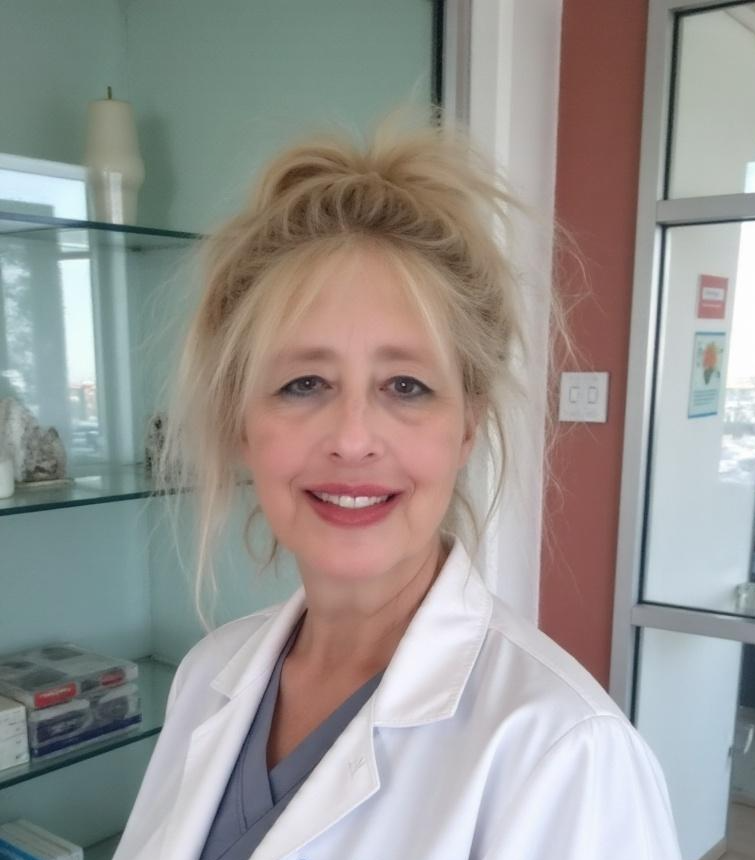
Nancy L. Kimmel obtained her PhD in Environmental Engineering in 2002, then went on to teach Physics and Mechanical Engineering at Lawrence Technological University, Henry Ford College and Oakland University. She obtained her Associate in Nursing from Henry Ford College and then went on to earn her Master Degree as a Family Nurse Practitioner and became Board Certified working as a licensed FNP in the State of Michigan. She then went on to Medical School where she is now in her 3rd year, and is also in the process of obtaining her Doctorate in Nursing Practice through Chamberlin University. She has authored the NET Study Guide, as well a several books on subjects of Math, ECG/EKG and Phlebotomy. She holds a patent on an Air Filter through the U.S. Patent Office.
313-826-2381