
Mental Health First Aid: Why Every Healthcare Worker Should Be Trained
In the ever-evolving landscape of healthcare, the importance of mental health has come to the forefront. Just as physical first aid is a crucial skill for healthcare workers, mental health first aid is becoming equally essential. This article explores why every healthcare worker, including ECG/EKG Technicians, Phlebotomy Technicians, IV Technicians, and Clinical Medical Assistants, should be trained in mental health first aid.
Understanding Mental Health First Aid
Mental Health First Aid (MHFA) is a training program that teaches individuals how to identify, understand, and respond to signs of mental illnesses and substance use disorders. It’s the mental health equivalent of CPR or physical first aid training.
Key Components of Mental Health First Aid
- Recognizing the signs and symptoms of mental health issues
- Understanding risk factors and warning signs of mental health problems
- Learning strategies for how to help someone in both crisis and non-crisis situations
- Identifying professional and self-help resources
The Need for Mental Health First Aid in Healthcare
Mental health issues are prevalent and often intersect with physical health problems. Consider these statistics:
- According to the World Health Organization, 1 in 4 people will be affected by mental or neurological disorders at some point in their lives.
- People with serious mental illnesses are at higher risk of experiencing chronic physical conditions.
- Mental health issues can complicate the treatment of physical health conditions and vice versa.
Given these realities, healthcare workers across all specialties need to be equipped to recognize and respond to mental health concerns.
Benefits for Specific Healthcare Roles
ECG/EKG Technicians
ECG/EKG Technicians often work with patients who may be anxious about their heart health. Mental health first aid training can help them:
- Recognize signs of anxiety or depression in patients undergoing cardiac testing
- Provide compassionate care to patients experiencing mental distress
- Understand the connection between mental health and heart health
Phlebotomy Technicians
Phlebotomists interact with a wide range of patients, some of whom may have needle phobias or anxiety disorders. MHFA training can assist them in:
- Identifying signs of severe anxiety or panic in patients
- Using de-escalation techniques for patients experiencing distress
- Understanding how mental health conditions might affect blood test results
IV Technicians
IV Technicians often work with patients in various states of health, including those with chronic conditions that may impact mental health. MHFA can help them:
- Recognize signs of depression or anxiety in patients undergoing long-term treatments
- Understand how mental health can affect medication adherence
- Provide empathetic care to patients struggling with both physical and mental health issues
Clinical Medical Assistants
As versatile members of the healthcare team, Clinical Medical Assistants can greatly benefit from MHFA training. It can help them:
- Identify potential mental health issues during routine patient interactions
- Assist in creating a more supportive environment for patients with mental health concerns
- Understand when and how to refer patients to mental health professionals
The Ripple Effect of Mental Health First Aid Training
When healthcare workers are trained in mental health first aid, the benefits extend beyond individual patient interactions:
- Improved Patient Outcomes: Early recognition and intervention in mental health issues can lead to better overall health outcomes for patients.
- Reduced Stigma: As healthcare workers become more comfortable discussing mental health, it helps reduce the stigma associated with mental health issues.
- Enhanced Team Communication: A shared understanding of mental health issues improves communication among healthcare team members.
- Increased Job Satisfaction: Healthcare workers equipped to handle a wider range of patient needs often report higher job satisfaction.
- Safer Work Environment: Understanding de-escalation techniques can create a safer environment for both patients and healthcare workers.
Implementing Mental Health First Aid Training
Healthcare organizations can implement MHFA training in several ways:
- Incorporate into Onboarding: Make MHFA training a part of the onboarding process for new hires.
- Offer Regular Workshops: Provide ongoing MHFA workshops for current staff to attend.
- Online Training Options: Utilize online MHFA courses for flexible learning options.
- Refresher Courses: Offer periodic refresher courses to keep skills up-to-date.
- Create Mental Health Champions: Train select staff members to become MHFA instructors who can then train others within the organization.
Overcoming Challenges
While the benefits of MHFA training are clear, there can be challenges in implementation:
- Time Constraints: Healthcare workers often have packed schedules. Offering flexible training options can help overcome this.
- Cost: While there is a cost associated with training, it should be viewed as an investment in both staff development and patient care.
- Resistance to Change: Some may view mental health as outside their role. Education about the interconnectedness of physical and mental health can help shift this perspective.
Conclusion
In an era where holistic patient care is increasingly emphasized, mental health first aid is a crucial skill for all healthcare workers. From ECG/EKG Technicians to Clinical Medical Assistants, every healthcare professional can benefit from this training. By equipping healthcare workers with the tools to recognize and respond to mental health issues, we can create a more compassionate, effective, and comprehensive healthcare system. Mental health first aid training is not just an added skill—it’s an essential component of modern, patient-centered care.
References
- Kitchener, B. A., & Jorm, A. F. (2017). The role of Mental Health First Aid training in nursing education: A response to Happell, Wilson & McNamara (2015). Collegian, 24(3), 313-315.
- Morgan, A. J., Ross, A., & Reavley, N. J. (2018). Systematic review and meta-analysis of Mental Health First Aid training: Effects on knowledge, stigma, and helping behaviour. PloS one, 13(5), e0197102.
- Reavley, N. J., Morgan, A. J., Fischer, J. A., Kitchener, B., Bovopoulos, N., & Jorm, A. F. (2018). Effectiveness of eLearning and blended modes of delivery of Mental Health First Aid training in the workplace: randomised controlled trial. BMC psychiatry, 18(1), 312.
- El-Den, S., Chen, T. F., Moles, R. J., & O’Reilly, C. L. (2018). Assessing mental health first aid skills using simulated patients. American Journal of Pharmaceutical Education, 82(2).
- Wong, D. F. K., Lau, Y., Kwok, S., Wong, P., & Tori, C. (2017). Evaluating the effectiveness of mental health first aid program for Chinese people in Hong Kong. Research on Social Work Practice, 27(1), 59-67.
- Booth, A., Scantlebury, A., Hughes-Morley, A., Mitchell, N., Wright, K., Scott, W., & McDaid, C. (2017). Mental health training programmes for non-mental health trained professionals coming into contact with people with mental ill health: a systematic review of effectiveness. BMC psychiatry, 17(1), 196.
- Svensson, B., & Hansson, L. (2017). Mental health first aid for the elderly: A pilot study of a training program adapted for helping elderly people. Aging & mental health, 21(6), 595-601.
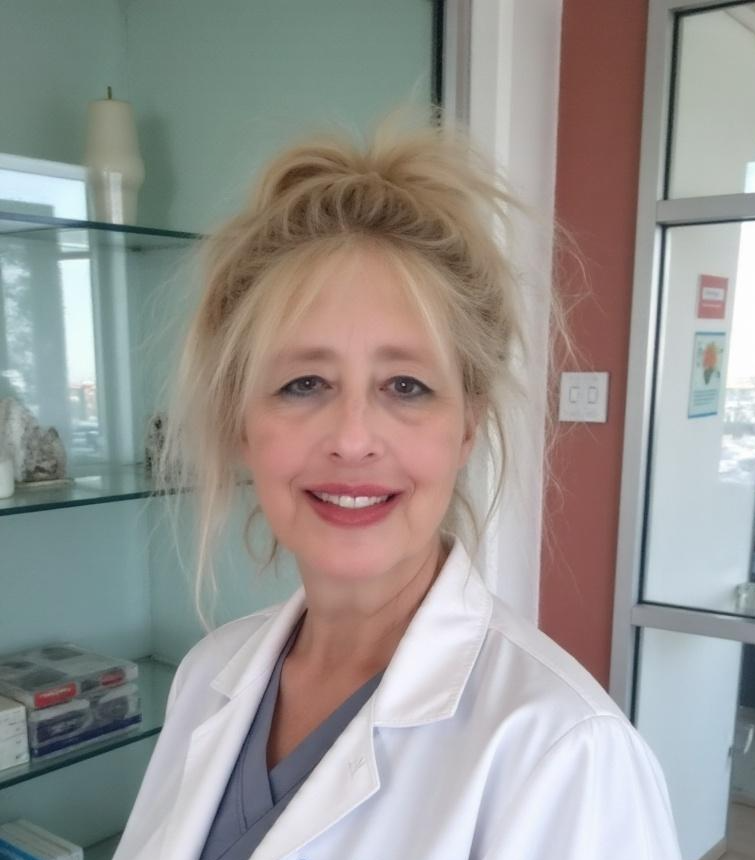
Nancy L. Kimmel obtained her PhD in Environmental Engineering in 2002, then went on to teach Physics and Mechanical Engineering at Lawrence Technological University, Henry Ford College and Oakland University. She obtained her Associate in Nursing from Henry Ford College and then went on to earn her Master Degree as a Family Nurse Practitioner and became Board Certified working as a licensed FNP in the State of Michigan. She then went on to Medical School where she is now in her 3rd year, and is also in the process of obtaining her Doctorate in Nursing Practice through Chamberlin University. She has authored the NET Study Guide, as well a several books on subjects of Math, ECG/EKG and Phlebotomy. She holds a patent on an Air Filter through the U.S. Patent Office.
313-826-2381