
The Aging Population: Preparing for the Unique Challenges in Geriatric Care
As the global population continues to age, healthcare professionals face increasing demands to provide specialized care for older adults. This demographic shift presents unique challenges and opportunities in the field of geriatric care. According to the World Health Organization, by 2050, one in six people worldwide will be over 65, and the number of people aged 80 years or older is expected to triple between 2020 and 2050. This unprecedented transition significantly impacts healthcare systems, requiring adaptation in care delivery and professional skills.
Understanding the Complexity of Geriatric Care
Geriatric care is inherently complex due to the multifaceted nature of aging. As individuals age, they often develop multiple chronic conditions, a phenomenon known as multimorbidity. This presents a significant challenge for healthcare providers, who must navigate the intricacies of managing several conditions simultaneously while considering potential drug interactions and the overall impact on the patient’s quality of life.
Cognitive impairment adds another layer of complexity to geriatric care. With the higher prevalence of dementia and delirium in older populations, healthcare workers often face difficulties in obtaining accurate medical histories and ensuring treatment adherence. This necessitates the development of specialized communication strategies and often requires involvement from family members or caregivers in the care process.
The Impact of Functional Decline on Care Delivery
Functional decline is a hallmark of aging that significantly influences care strategies. As older adults experience decreased mobility and independence, they become more susceptible to falls and related injuries. This decline not only increases the risk of hospitalization but also poses challenges in maintaining quality of life.
Healthcare providers must be adept at assessing functional status and implementing interventions to preserve independence. This often involves collaborating with physical and occupational therapists to develop personalized care plans that promote mobility and support the use of adaptive equipment. By focusing on functional maintenance and improvement, healthcare workers can help older adults retain their autonomy and reduce the risk of adverse events.
Addressing Social and Economic Factors in Geriatric Care
The care of older adults extends beyond medical management to encompass social and economic considerations. Social isolation and loneliness are prevalent issues among the elderly, often exacerbated by mobility limitations, loss of loved ones, and changing social roles. These factors can have profound effects on mental and physical health, necessitating interventions that address social connectivity and support networks.
Financial constraints can significantly impact healthcare access for older adults, potentially leading to delayed care-seeking behavior or non-adherence to treatment plans. Healthcare providers must be aware of these economic barriers and be prepared to connect patients with appropriate resources and support services.
Additionally, the role of caregivers cannot be overlooked in geriatric care. Family members often shoulder significant responsibilities in caring for older adults, which can lead to caregiver burnout. Recognizing and addressing caregiver needs is crucial for ensuring sustainable, high-quality care for older patients.
Strategies for Enhancing Geriatric Care Skills
To meet the complex needs of the aging population, healthcare workers must continually enhance their geriatric care skills. This involves several key strategies:
- Conducting Comprehensive Geriatric Assessments: These multidimensional, interdisciplinary diagnostic processes are designed to determine an older person’s medical, psychosocial, and functional capabilities. By using standardized assessment tools, healthcare providers can identify vulnerabilities and develop targeted intervention plans.
- Adopting a Patient-Centered Approach: This involves focusing on individual goals and preferences, involving patients and families in care decisions, and considering quality of life in treatment plans. It’s crucial to recognize that older adults are not a homogeneous group and that care plans should be tailored to individual needs and values.
- Improving Medication Management: Polypharmacy is a significant concern in geriatric care. Healthcare providers should regularly review and optimize medication regimens, being aware of potentially inappropriate medications for older adults as outlined in tools like the Beers Criteria. When possible, non-pharmacological interventions should be considered to minimize medication burden.
- Enhancing Communication Skills: Effective communication is paramount in geriatric care. This includes using clear, simple language, allowing extra time for information processing, and involving family members or caregivers in discussions when appropriate. Healthcare providers should also be adept at recognizing and addressing sensory impairments that may affect communication.
- Promoting Functional Independence: Encouraging physical activity, implementing fall prevention strategies, and supporting the use of adaptive equipment are crucial for maintaining independence. This often requires a multidisciplinary approach, involving physical therapists, occupational therapists, and other specialists.
- Addressing Social Determinants of Health: Healthcare providers should screen for social isolation and elder abuse, connect patients with community resources, and support caregivers through education and respite services. Understanding and addressing these social factors can significantly impact overall health outcomes.
- Collaborating with Interdisciplinary Teams: Given the complexity of geriatric care, collaboration with specialists in geriatrics, palliative care, rehabilitation, social work, and pharmacy is essential for comprehensive care delivery.
- Engaging in Advance Care Planning: Initiating conversations about end-of-life preferences early, documenting advance directives, and regularly reviewing care plans as health status changes are crucial aspects of geriatric care.
The Role of Technology in Geriatric Care
Technological advancements offer promising solutions to many challenges in geriatric care. Telemedicine, for instance, can improve access to specialists, particularly for older adults with mobility limitations or those living in rural areas. Remote monitoring devices enable early detection of health changes, allowing for timely interventions and potentially reducing hospitalizations.
Artificial intelligence (AI) is increasingly being used to assist in complex care management, helping to predict health risks and optimize treatment plans. Virtual reality applications are showing potential in cognitive stimulation and physical therapy, offering engaging ways to maintain cognitive function and physical abilities.
Moreover, smart home technologies are revolutionizing the concept of aging in place. These technologies can support independent living by monitoring daily activities, detecting falls, and providing medication reminders, thus enhancing safety and quality of life for older adults living at home.
Conclusion
Preparing for the unique challenges of geriatric care is essential for all healthcare professionals as the global population ages. By enhancing geriatric assessment skills, adopting patient-centered approaches, and leveraging technology, healthcare workers can significantly improve the quality of care for older adults.
The goal of geriatric care extends beyond merely treating illnesses; it encompasses maintaining dignity, promoting independence, and enhancing overall quality of life. As healthcare providers embrace these challenges, they not only contribute to better outcomes for the aging population but also enrich their own professional experiences.
The future of healthcare lies in our ability to adapt to the needs of an aging world. By investing in geriatric care skills and fostering a deeper understanding of the aging process, healthcare professionals can lead the way in creating a more age-friendly healthcare system that truly meets the needs of our older population.
References
- World Health Organization. (2021). Ageing and health. https://www.who.int/news-room/fact-sheets/detail/ageing-and-health
- Fried, L. P., & Rowe, J. W. (2020). Health in aging — past, present, and future. New England Journal of Medicine, 383(14), 1293-1296.
- Aldridge, M. D., & Bradley, E. H. (2020). Epidemiology and patterns of care at the end of life: rising complexity, shifts in care patterns and sites of death. Health Affairs, 39(6), 1071-1079.
- Tinetti, M. E., Naik, A. D., & Dindo, L. (2022). Patient priorities–aligned decision-making in care of older adults with multiple chronic conditions. JAMA Internal Medicine, 182(8), 832-838.
- Lavan, A. H., Gallagher, P., & O’Mahony, D. (2018). Methods to reduce prescribing errors in elderly patients with multimorbidity. Clinical Interventions in Aging, 13, 2277.
- Shen, Y., Patel, N. S., & Teter, C. J. (2021). Geriatric pharmacotherapy: Optimizing medication use in the elderly. Medical Clinics, 105(5), 761-776.
- Schubert, C. C., & Wiens, A. N. (2020). Interdisciplinary teams in geriatric care. The American Journal of Geriatric Psychiatry, 28(4), 482-484.
Note: As with all rapidly evolving fields, it’s recommended to check for the most recent publications and guidelines when using this information.
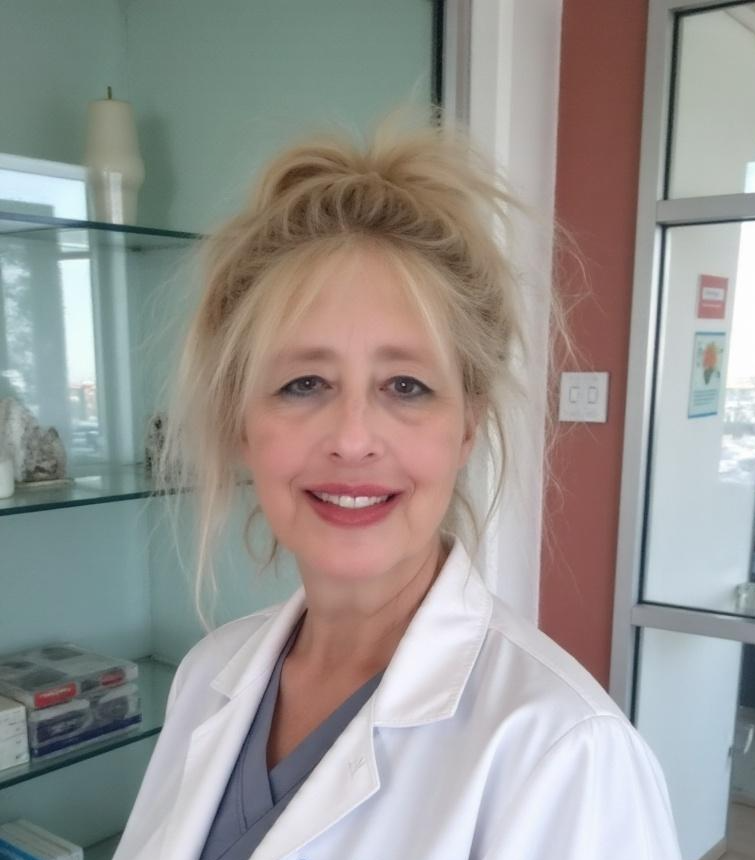
Nancy L. Kimmel obtained her PhD in Environmental Engineering in 2002, then went on to teach Physics and Mechanical Engineering at Lawrence Technological University, Henry Ford College and Oakland University. She obtained her Associate in Nursing from Henry Ford College and then went on to earn her Master Degree as a Family Nurse Practitioner and became Board Certified working as a licensed FNP in the State of Michigan. She then went on to Medical School where she is now in her 3rd year, and is also in the process of obtaining her Doctorate in Nursing Practice through Chamberlin University. She has authored the NET Study Guide, as well a several books on subjects of Math, ECG/EKG and Phlebotomy. She holds a patent on an Air Filter through the U.S. Patent Office.
313-826-2381