The Rise of Telemedicine: Essential Skills for Remote Patient Care
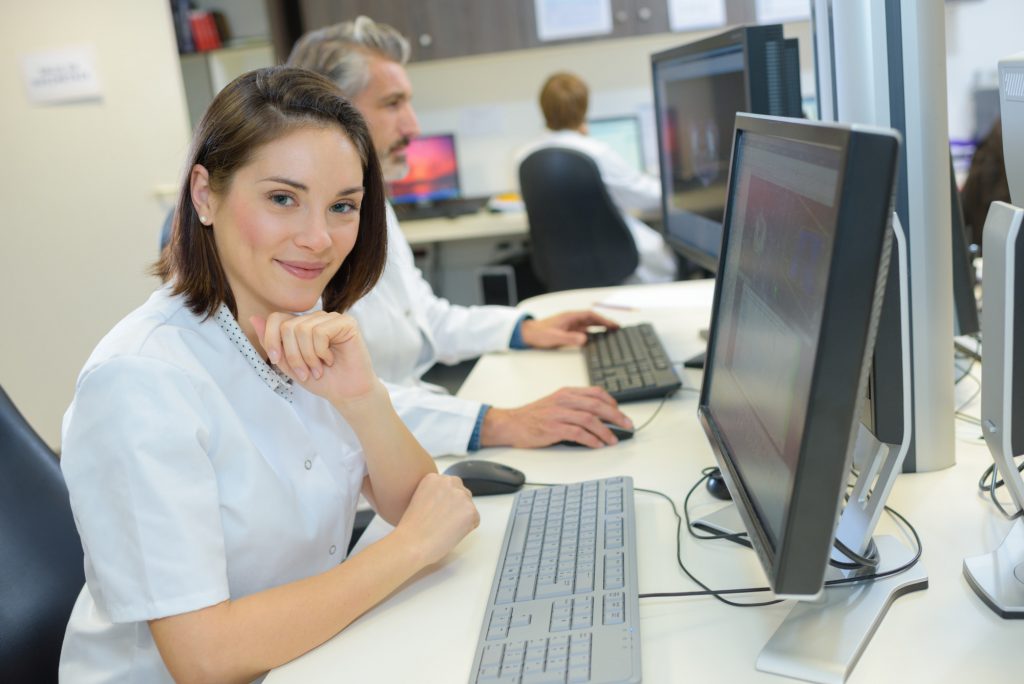
In recent years, telemedicine has transformed from a convenient option to an essential component of healthcare delivery. This shift has been accelerated by global events and technological advancements, making it crucial for healthcare professionals to adapt their skills for remote patient care. This article explores the rise of telemedicine and the essential skills needed for various healthcare roles to excel in this new landscape.
Understanding Telemedicine
Telemedicine refers to the practice of caring for patients remotely when the provider and patient are not physically present with each other. Modern telemedicine goes beyond phone consultations to include:
- Video consultations
- Remote patient monitoring
- Mobile health apps and wearables
- Store-and-forward telemedicine (transmission of medical data for later review)
The Growing Importance of Telemedicine
Several factors have contributed to the rapid growth of telemedicine:
- Improved access to care, especially in rural areas
- Reduced healthcare costs
- Increased patient convenience
- Necessity during public health crises
- Advancements in technology and digital health tools
Essential Telemedicine Skills for Healthcare Professionals
1. Technical Proficiency
- Familiarity with video conferencing platforms
- Understanding of electronic health records (EHR) systems
- Ability to troubleshoot basic technical issues
- Knowledge of data privacy and security in digital environments
2. Virtual Communication Skills
- Clear and concise verbal communication
- Active listening in a virtual setting
- Ability to convey empathy through digital mediums
- Proficiency in written communication for follow-ups and instructions
3. Remote Assessment and Diagnosis
- Adapting physical assessment techniques for virtual visits
- Recognizing when an in-person visit is necessary
- Utilizing remote monitoring devices effectively
4. Digital Health Literacy
- Understanding and explaining mobile health apps and wearables
- Interpreting data from remote monitoring devices
- Staying updated on emerging digital health technologies
5. Time Management and Organization
- Efficiently managing virtual appointments
- Organizing and prioritizing patient data from multiple digital sources
- Balancing virtual and in-person care responsibilities
Telemedicine Skills for Specific Healthcare Roles
ECG/EKG Technicians
ECG/EKG Technicians can adapt to telemedicine by:
- Guiding patients through at-home ECG monitoring device setup
- Interpreting remote ECG readings and recognizing potential issues
- Collaborating with physicians virtually to discuss ECG results
Example: An ECG Technician might instruct a patient via video call on how to properly place electrodes for a home monitoring device.
Phlebotomy Technicians
While blood draws require in-person interaction, Phlebotomy Technicians can still utilize telemedicine skills:
- Conducting virtual pre-screening assessments
- Providing remote instructions for patients preparing for blood tests
- Offering post-procedure care instructions via telemedicine platforms
Example: A Phlebotomist might use a video call to assess a patient’s veins and determine the best location for blood draw before an in-person visit.
IV Technicians
IV Technicians can incorporate telemedicine in several ways:
- Remotely monitoring patients with long-term IV therapy
- Providing virtual training for patients or caregivers on home IV care
- Conducting follow-up assessments via video consultations
Example: An IV Technician might use telemedicine to check on a patient’s IV site and provide guidance on care between in-person visits.
Clinical Medical Assistants
Clinical Medical Assistants can greatly benefit from telemedicine skills:
- Conducting initial patient screenings via video or phone
- Assisting with virtual patient education and follow-up care
- Managing and coordinating telehealth appointments
Example: A Clinical Medical Assistant might use a telemedicine platform to collect a patient’s medical history and symptoms before a virtual doctor’s consultation.
Overcoming Challenges in Telemedicine
- Technology Barriers: Not all patients have access to or are comfortable with required technology. Solution: Provide clear, step-by-step instructions and offer practice sessions for patients new to telemedicine.
- Physical Examination Limitations: Some assessments are challenging to perform remotely. Solution: Develop skills in guiding patients through self-examinations and know when to recommend in-person visits.
- Building Patient Rapport: Establishing trust can be more difficult in a virtual setting. Solution: Enhance virtual communication skills and find ways to personalize each interaction.
- Privacy and Security Concerns: Telemedicine introduces new data security challenges. Solution: Stay informed about HIPAA compliance in telemedicine and follow best practices for data protection.
The Future of Telemedicine
As technology continues to advance, we can expect:
- Integration of artificial intelligence for preliminary assessments
- Increased use of augmented reality in remote care
- More sophisticated remote monitoring devices
- Greater integration of telemedicine in routine healthcare delivery
Conclusion
The rise of telemedicine represents a significant shift in healthcare delivery, requiring healthcare professionals to adapt and acquire new skills. For ECG/EKG Technicians, Phlebotomy Technicians, IV Technicians, and Clinical Medical Assistants, embracing telemedicine skills is crucial for providing comprehensive, accessible care in the digital age. By developing technical proficiency, enhancing virtual communication skills, and adapting traditional practices to remote settings, healthcare professionals can ensure they remain effective and relevant in an increasingly digital healthcare landscape. As telemedicine continues to evolve, ongoing learning and adaptation will be key to success in remote patient care.
References
- American Medical Association. (2020). Telehealth Implementation Playbook. https://www.ama-assn.org/system/files/2020-04/ama-telehealth-playbook.pdf
- Hollander, J. E., & Carr, B. G. (2020). Virtually Perfect? Telemedicine for Covid-19. New England Journal of Medicine, 382(18), 1679-1681.
- Dorsey, E. R., & Topol, E. J. (2020). Telemedicine 2020 and the next decade. The Lancet, 395(10227), 859.
- Smith, A. C., Thomas, E., Snoswell, C. L., Haydon, H., Mehrotra, A., Clemensen, J., & Caffery, L. J. (2020). Telehealth for global emergencies: Implications for coronavirus disease 2019 (COVID-19). Journal of Telemedicine and Telecare, 26(5), 309-313.
- Tuckson, R. V., Edmunds, M., & Hodgkins, M. L. (2017). Telehealth. New England Journal of Medicine, 377(16), 1585-1592.
- World Health Organization. (2019). WHO Guideline: Recommendations on Digital Interventions for Health System Strengthening. https://www.who.int/reproductivehealth/publications/digital-interventions-health-system-strengthening/en/
- Chaet, D., Clearfield, R., Sabin, J. E., & Skimming, K. (2017). Ethical practice in Telehealth and Telemedicine. Journal of General Internal Medicine, 32(10), 1136-1140.
- Kruse, C. S., Karem, P., Shifflett, K., Vegi, L., Ravi, K., & Brooks, M. (2018). Evaluating barriers to adopting telemedicine worldwide: A systematic review. Journal of Telemedicine and Telecare, 24(1), 4-12.
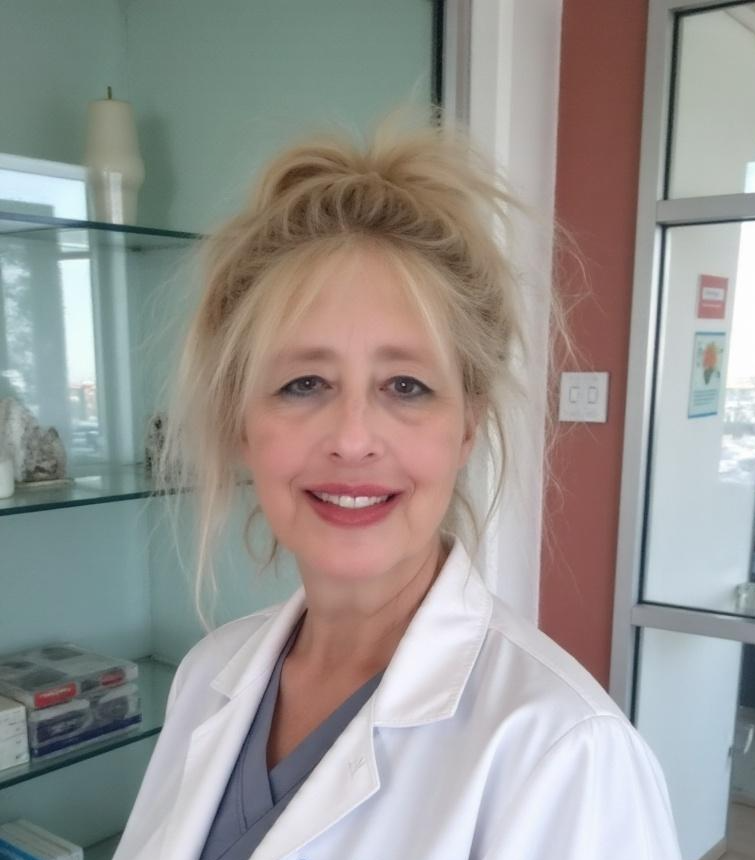
Nancy L. Kimmel obtained her PhD in Environmental Engineering in 2002, then went on to teach Physics and Mechanical Engineering at Lawrence Technological University, Henry Ford College and Oakland University. She obtained her Associate in Nursing from Henry Ford College and then went on to earn her Master Degree as a Family Nurse Practitioner and became Board Certified working as a licensed FNP in the State of Michigan. She then went on to Medical School where she is now in her 3rd year, and is also in the process of obtaining her Doctorate in Nursing Practice through Chamberlin University. She has authored the NET Study Guide, as well a several books on subjects of Math, ECG/EKG and Phlebotomy. She holds a patent on an Air Filter through the U.S. Patent Office.
313-826-2381