

Promising Career Outlook for Medical Assistants and Phlebotomists in 2025
Robust Job Growth in Essential Healthcare Roles
The career outlook for medical assistants and phlebotomists remains exceptionally strong as we move through 2025, with both professions experiencing significant demand driven by an aging population, increased focus on preventive care, and expanding healthcare access. These essential healthcare roles offer excellent opportunities for individuals seeking stable, rewarding careers in the medical field.
Medical Assistant Employment Projections
According to the U.S. Bureau of Labor Statistics, employment of medical assistants is projected to grow 14% from 2022 to 2032, much faster than the average for all occupations. This growth rate significantly exceeds the projected 3% average growth rate for all occupations, highlighting the exceptional demand for qualified medical assistants.
The rapid growth stems from several factors including the aging baby boomer population requiring increased medical services, the expansion of healthcare facilities to meet growing demand, and the cost-effectiveness of employing medical assistants to perform routine clinical and administrative tasks.
Phlebotomist Career Growth Trends
Phlebotomist employment is projected to grow 8% from 2022 to 2032, faster than the average for all occupations. While this growth rate is slightly lower than medical assistants, it still represents strong demand and excellent career opportunities for qualified professionals.
The steady demand for phlebotomists reflects the ongoing need for diagnostic testing, blood donation collection, and specimen processing in various healthcare settings. As medical testing becomes more sophisticated and routine, the role of skilled phlebotomists becomes increasingly important.
Geographic Variations in Job Opportunities
Job opportunities for medical assistants and phlebotomists vary by geographic region, with certain areas experiencing particularly strong demand. Metropolitan areas with large healthcare systems and aging populations typically offer the most opportunities and competitive salaries.
Michigan, where our school is located, shows strong demand for both professions due to its diverse healthcare infrastructure and growing population of older adults requiring medical services. The Detroit metropolitan area, in particular, offers numerous opportunities in hospitals, clinics, and specialty practices.
Salary Expectations and Earning Potential
Medical assistant salaries have shown steady growth, with the median annual wage reaching approximately $38,270 in 2023. However, certified medical assistants often earn significantly more than non-certified counterparts, with some earning $45,000 or more annually depending on location, experience, and specialization.
Phlebotomist median annual wages average around $38,530, with experienced professionals in specialized settings earning considerably more. Both professions offer opportunities for salary advancement through additional certifications, specializations, and career progression.
Diverse Employment Settings and Opportunities
Medical assistants find employment in numerous healthcare settings including physician offices, hospitals, outpatient clinics, urgent care centers, and specialty practices. This diversity provides flexibility and options for career development based on individual interests and preferences.
Phlebotomists work in hospitals, clinical laboratories, blood donation centers, physician offices, and mobile collection services. The variety of work environments allows professionals to choose settings that match their career goals and work-life balance preferences.
Impact of Healthcare Technology Advancement
Technological advancement in healthcare continues to create new opportunities for medical assistants and phlebotomists. Electronic health records, telemedicine, and digital diagnostic tools require skilled professionals who can adapt to evolving technologies while maintaining high standards of patient care.
Medical assistants increasingly support telehealth services, manage digital patient communications, and operate sophisticated diagnostic equipment. Phlebotomists work with advanced specimen collection and processing technologies that improve accuracy and efficiency.
Specialization Opportunities and Career Advancement
Both professions offer numerous specialization opportunities that can enhance earning potential and job satisfaction. Medical assistants can specialize in areas such as podiatry, ophthalmology, cardiology, or administrative management, each requiring additional training and certification.
Phlebotomists can pursue specializations in areas such as pediatric phlebotomy, geriatric collection techniques, or supervisory roles in laboratory settings. These specializations often command higher salaries and provide greater job security.
Education and Certification Requirements
The job market increasingly favors certified professionals over non-certified individuals. Employers prefer hiring certified medical assistants (CCMA) and certified phlebotomists because certification demonstrates competency and commitment to professional standards.
Our school’s 90% pass rate for national certification examinations gives our graduates a significant advantage in the job market. Certified professionals typically receive higher starting salaries and better advancement opportunities than their non-certified counterparts.
Employer Preferences and Hiring Trends
Healthcare employers increasingly seek candidates with formal training, certification, and hands-on experience. Many employers prefer graduates from accredited programs because they demonstrate proven competency and professional preparation.
The externship component of quality training programs provides students with real-world experience that employers value. Many students receive job offers from their externship sites, highlighting the importance of practical training in career preparation.
Industry Stability and Recession Resistance
Healthcare careers, including medical assisting and phlebotomy, demonstrate remarkable stability during economic downturns. These essential services continue regardless of economic conditions, providing job security that many other industries cannot match.
The ongoing need for healthcare services ensures consistent demand for qualified medical assistants and phlebotomists even during challenging economic periods. This stability makes these careers attractive for individuals seeking long-term employment security.
Professional Development and Continuing Education
Both professions offer excellent opportunities for professional development and continuing education. Professional organizations provide ongoing training, certification maintenance, and networking opportunities that support career advancement.
Many medical assistants pursue additional certifications or advance into roles such as medical office management, clinical supervision, or specialized clinical positions. Phlebotomists may advance to laboratory supervision, training roles, or specialized collection positions.
Work-Life Balance and Job Satisfaction
Medical assistants and phlebotomists typically enjoy favorable work-life balance with regular daytime hours in most settings. While some positions may require evening or weekend work, many offer standard business hours that accommodate family and personal commitments.
Job satisfaction in both professions remains high due to meaningful work that directly impacts patient care, opportunities for human interaction, and the ability to make a positive difference in people’s lives during vulnerable moments.
The career outlook for medical assistants and phlebotomists in 2025 remains exceptionally promising, with strong job growth, competitive salaries, and diverse opportunities for professional development. These essential healthcare roles offer stability, growth potential, and the satisfaction of contributing to improved patient care and health outcomes.
For individuals considering healthcare careers, medical assisting and phlebotomy provide excellent entry points into the medical field with opportunities for immediate employment and long-term career advancement. Quality education and certification from accredited programs like ours provide the foundation for successful, rewarding careers in these growing professions.
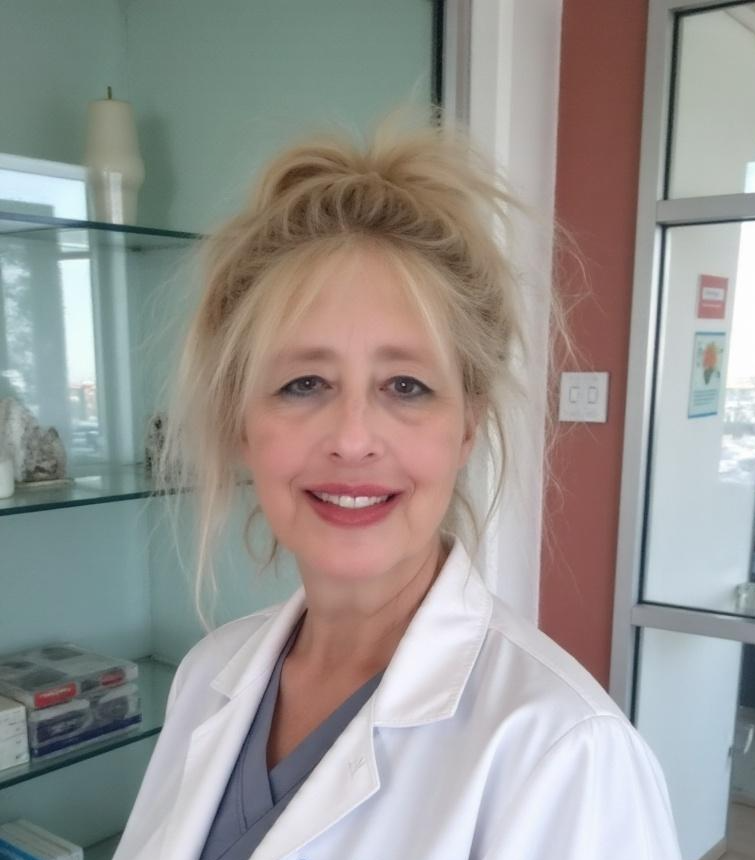
Nancy L. Kimmel obtained her PhD in Environmental Engineering in 2002, then went on to teach Physics and Mechanical Engineering at Lawrence Technological University, Henry Ford College and Oakland University. She obtained her Associate in Nursing from Henry Ford College and then went on to earn her Master Degree as a Family Nurse Practitioner and became Board Certified working as a licensed FNP in the State of Michigan. She then went on to Medical School where she is now in her 3rd year, and is also in the process of obtaining her Doctorate in Nursing Practice through Chamberlin University. She has authored the NET Study Guide, as well a several books on subjects of Math, ECG/EKG and Phlebotomy. She holds a patent on an Air Filter through the U.S. Patent Office.
313-826-2381