

Winter Wellness Revolution: How Healthcare Heroes Keep Us Healthy When the Temperature Drops
Midwestern winter is never predictable. One day it’s sunny and warm, and the next it’s a frozen catastrophe of wind and ice. Locals are more than familiar of the discomfort this weather brings. You can begin your day warm and comfortable in a lightweight jacket, sweating at noon in hot sunshine, and shivering in the night as it goes down again.
But then again, it is not merely a matter of comfort, but of protecting one’s health as well. It takes time for our bodies to acclimate to temperature fluctuations. Too many clothes can cause sweating and heat buildup. But, if you change into thin from thick clothing too fast, you may fall ill. The consistent stress can play havoc with the immune system, leaving you vulnerable to illness like the flu, pneumonia, and strep.
Picture your immune system as a nightclub bouncer, keeping the germs out. But when it has to juggle temperature fluctuations, these can slip past. Changing outfits strategically can keep sickness at bay all winter long.
The Winter Health Challenge Goes Beyond Weather
Winter not only tests our fashion sense – it unleashes a whirlwind of health problems. Our bodies are subjected to multiple stressors as the temperature drops outside and days shorten. Inadequate vitamin D from reduced sunlight, dry air from heating systems, and spending hours indoors in crowded public spaces can cause “winter health syndrome,” according to healthcare professionals.
The statistics are rather astounding. Respiratory infections rise 40-60% during the winter months, emergency room visits rise 25-fold, and millions get seasonal depression. Yet every single person who somehow stays healthy throughout the winter has a team of healthcare heroes at their back, working 12-hour shifts to keep our population well.
Clinical Medical Assistants: Winter Front-Line Warriors
Clinical medical assistants are a necessity during winter seasons, and the reason is simple. They can check patients and immediately understand if they have a cold or something more serious. Clinical medical assistants turn into health detectives particularly during winter.
They learn to recognize the first symptoms of severe winter illnesses: the subtle shifts in breathing that could signal the start of pneumonia or the rhythm of fatigue that could lead to seasonal affective disorder. Clinical medical assistants can also screen patients when winter sicknesses overwhelm clinics, get accurate vital signs from patients enveloped in winter coats, and provide patient education that is crucial in preventing winter illnesses.
Phlebotomy Technicians: Blood Work Heroes
Phlebotomy technicians face unique issues during winter months. Cold weather takes its toll on blood flow and drawing it is harder. But, these expert practitioners are aware of how to warm up ice cold patients and draw the amount needed.
Phlebotomy technicians are in high demand during winter as the need for diagnostic blood work increases. They can draw samples of all kinds of vitamin D deficiency test determinations and inflammatory factors, which help physicians distinguish between viral and bacterial illness.
These technicians also play a crucial role during flu season, particularly for drawing specimens for rapid flu tests. The speed and quality of their work determine how fast and efficiently patients receive treatment.
Pharmacy Technicians: Masters of Medication Management
Dispensing medication during winter is challenging. However, pharmacy technicians ensure everyone gets the medication they need. They must deal with a surge of prescriptions ranging from antibiotics, cold medicines, to winter depression treatments common during the chilly season.
But pharmacy technicians do a whole lot more than simply count pills. They teach patients how to store drugs properly in cold weather, prevent harmful interactions between over-the-counter cold medicines and prescription medications, and work with health care teams to provide uninterrupted winter care.
During blizzards, when pharmacies usually reduce operating hours, pharmacy technicians go the extra mile to keep patients from exhausting vital medications. They’re very often the difference between a person staying healthy during a bad winter and getting shipped off to the emergency room.
ECG Technicians: Heart Health Heroes in Winter
Winter also places additional pressure on our hearts – cold temperatures cause blood vessels to constrict, making the organ work harder. ECG technicians are essential during winter. They are trained to monitor heart rhythms for patients dealing with chest pain or strain caused by the cold.
These professionals are in higher demand during winter emergencies. They deliver fast, precise heart rhythm readings that help medical teams differentiate between acute cardiac conditions and less emergent conditions on busy winter nights when emergency rooms are full.
Medical Billers and Coders: The Behind-the-Scenes Champions
As patients concentrate on getting healthy, medical billers and coders work behind the scenes to keep winter medicine flowing. Specific coding hurdles arise during winter, from injuries to seasonal illness. These are complications that need to be precisely documented to assure insurance approval.
They go the extra mile to ensure that medical claims are handled correctly by insurance firms so that patients may gain access to the necessary treatment without having to worry over how to fund it.
The Career Opportunity Explosion
Here is some good news – healthcare employment rates are thriving, especially in seasonal health-related jobs. Close to 13% of healthcare professions are expected to expand by 2031 based on the Bureau of Labor Statistics fueled by winter-based health concerns.
Medical facilities are actively recruiting certified clinical medical assistants, phlebotomy technicians, and pharmacy technicians, who are capable of handling the unique requirements of seasonal health delivery.
Technology Meets Traditional Care
Contemporary winter healthcare combines advanced technology with a humane approach towards patients. For instance, clinical medical assistants work on electronic health records that can immediately alert medical teams of patients who are at risk of winter complications.
It is exactly for this reason that healthcare careers are so appealing; they combine healthcare tech with human touch, allowing professionals to provide targeted and efficient care.
Your Winter Wellness Career Path
The healthcare field offers incredible stability and the satisfaction of helping others during challenging times. Whether you’re drawn to the direct patient care of a clinical medical assistant, the diagnostic precision of a phlebotomy technician, or the medication expertise of a pharmacy technician, there’s never been a better time to start your healthcare career.
As we wrap up warm for another winter, remember that behind every healthy community are hard-working healthcare professionals dedicated to keeping us all well. Will you be among them?
Winter well-being is not simply a matter of dressing appropriately for the conditions. It’s dependent on a healthcare system manned by compassionate and skilled professionals who can balance medical science with genuine care at a time when it’s needed most.
References
- American Lung Association. (2023). Winter Air Quality and Respiratory Health. Retrieved from https://www.lung.org/clean-air/at-home/indoor-air-pollutants/winter-air-quality
- Centers for Disease Control and Prevention. (2023). Winter Weather-Related Deaths and Injuries. MMWR Morbidity and Mortality Weekly Report, 72(8), 198-203.
- Bureau of Labor Statistics. (2022). Healthcare Occupations: Occupational Outlook Handbook. U.S. Department of Labor. Retrieved from https://www.bls.gov/ooh/healthcare/
- American Heart Association. (2023). Cold Weather and Cardiovascular Health. Circulation Research, 133(4), 245-259.
- National Institute of Mental Health. (2023). Seasonal Affective Disorder: More Than the Winter Blues. NIH Publication No. 23-MH-8138.
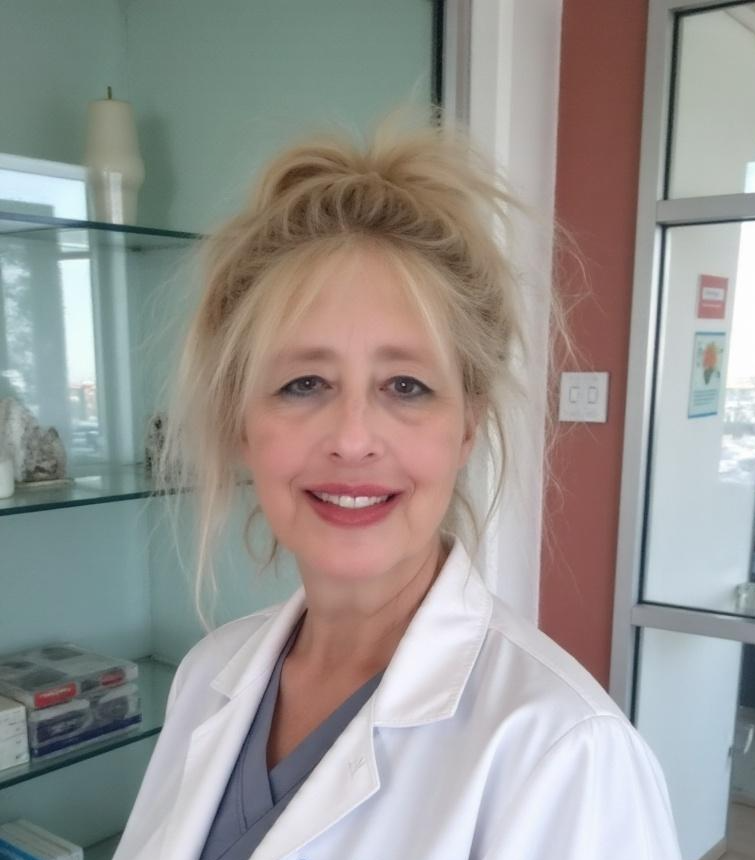
Nancy L. Kimmel obtained her PhD in Environmental Engineering in 2002, then went on to teach Physics and Mechanical Engineering at Lawrence Technological University, Henry Ford College and Oakland University. She obtained her Associate in Nursing from Henry Ford College and then went on to earn her Master Degree as a Family Nurse Practitioner and became Board Certified working as a licensed FNP in the State of Michigan. She then went on to Medical School where she is now in her 3rd year, and is also in the process of obtaining her Doctorate in Nursing Practice through Chamberlin University. She has authored the NET Study Guide, as well a several books on subjects of Math, ECG/EKG and Phlebotomy. She holds a patent on an Air Filter through the U.S. Patent Office.
313-826-2381