How to Become a Phlebotomist in 5 Easy Steps
If you are looking for a fast, reliable way to start a career in healthcare, becoming a phlebotomy technician is one of the best options available. You do not need a four-year degree, and you do not need to spend tens of thousands of dollars on tuition. In fact, you can complete your training and get certified in a matter of weeks.
The demand for phlebotomists is growing fast. The Bureau of Labor Statistics projects a 6% job growth rate over the next decade, which is faster than the average for all occupations. Hospitals, clinics, and diagnostic labs are actively hiring.
But figuring out the exact steps to get hired can be confusing. Do you need a license? Which certification is best? How do you get clinical experience?
This guide breaks down exactly how to become a phlebotomist, from choosing a program to landing your first job.
Step 1: Understand the Job and Requirements
Before you enroll in a program, make sure you understand what the job actually entails. Phlebotomists draw blood for tests, transfusions, research, or blood donations. You will work directly with patients, many of whom might be nervous or afraid of needles, so a calm demeanor and good communication skills are just as important as technical ability.
The basic requirements to start training are straightforward:
•You must have a high school diploma or GED.
•You must be at least 18 years old.
•You need a clean background check (most employers and clinical sites require this).
Step 2: Choose an Accredited Training Program
This is the most critical step. Not all training programs are created equal, and employers look closely at where you received your education. You need a program that prepares you for national certification exams.
When comparing schools, look for these three things:
1.Accreditation: The program must be recognized by major credentialing bodies like the National Center for Competency Testing (NCCT) or the National Healthcareer Association (NHA).
2.Format: Decide if you need an online, in-person, or hybrid format. Programs like the one at Phlebotomy Career Training (PCT) offer 100% online coursework with flexible scheduling.
3.Clinical Support: You need hands-on experience to get certified. A good program will help you understand how to secure a clinical externship.
A quality program usually takes between four weeks and six months to complete, depending on the schedule you choose.
Step 3: Complete Your Coursework and Clinical Hours
During your training, you will learn the anatomy of the cardiovascular system, infection control, safety protocols, and the proper techniques for venipuncture and capillary punctures.
Once the classroom or online portion is done, you must complete clinical hours. National certification exams require proof that you have successfully performed a specific number of live blood draws. For example, the NHA requires 30 successful venipunctures and 10 capillary sticks.
If you take an online course, you will typically complete these draws at a local clinic, hospital, or lab under the supervision of a licensed professional.
Step 4: Pass a National Certification Exam
Only four states currently require phlebotomists to be legally licensed: California, Louisiana, Nevada, and Washington. However, even if your state does not require a license, almost all employers require national certification. It proves you meet the industry standard for safety and competence.
The most respected certifications are:
•NHA (National Healthcareer Association) Certified Phlebotomy Technician (CPT)
•NCCT (National Center for Competency Testing) National Certified Phlebotomy Technician (NCPT)
•AMCA (American Medical Certification Association) Phlebotomy Technician Certification (PTC)
Your training program should prepare you specifically for these exams. Once you pass, you are officially a certified phlebotomist.
Step 5: Apply for Jobs
With your certification in hand, you are ready to start working. Phlebotomists are needed in a wide variety of settings. You can look for jobs at:
•General medical and surgical hospitals
•Medical and diagnostic laboratories (like Quest Diagnostics or Labcorp)
•Blood donation centers (like the American Red Cruz)
Update your resume to highlight your new certification, the specific number of successful draws you completed during your clinicals, and any customer service experience you have.
Frequently Asked Questions About Phlebotomy Training
How much does a phlebotomist make?
According to the Bureau of Labor Statistics, the median annual wage for phlebotomists is $43,660, though this varies by state, facility, and experience level.
How long does it take to get certified?
You can complete an accelerated training program in as little as four weeks. If you choose a part-time schedule, it may take three to six months.
Can I take phlebotomy classes online?
Yes. You can complete all the academic coursework online. You will still need to complete hands-on clinical requirements locally to qualify for the national certification exam.
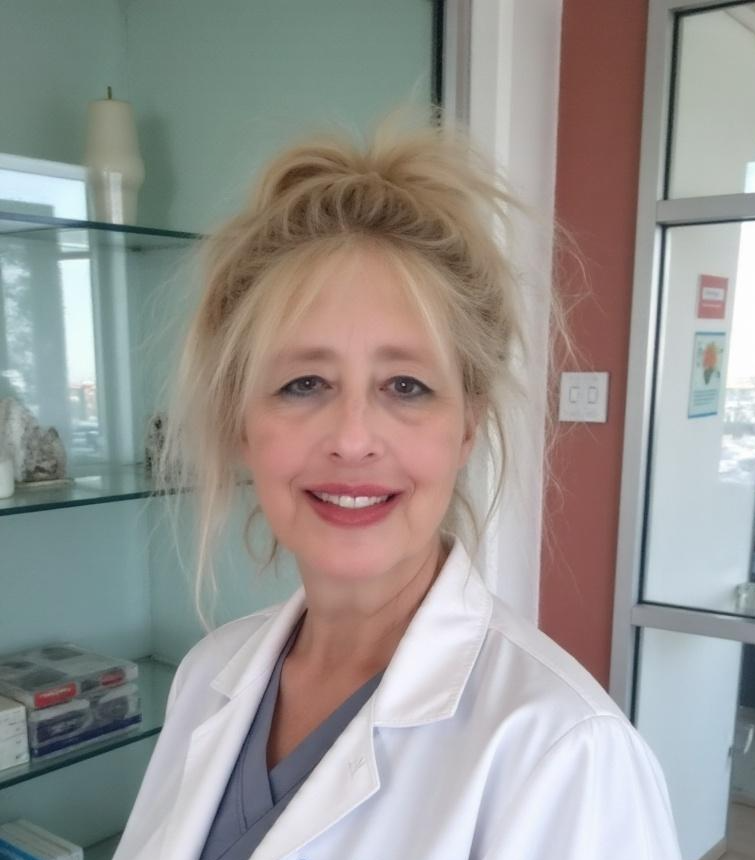
Nancy L. Kimmel obtained her PhD in Environmental Engineering in 2002, then went on to teach Physics and Mechanical Engineering at Lawrence Technological University, Henry Ford College and Oakland University. She obtained her Associate in Nursing from Henry Ford College and then went on to earn her Master Degree as a Family Nurse Practitioner and became Board Certified working as a licensed FNP in the State of Michigan. She then went on to Medical School where she is now in her 3rd year, and is also in the process of obtaining her Doctorate in Nursing Practice through Chamberlin University. She has authored the NET Study Guide, as well a several books on subjects of Math, ECG/EKG and Phlebotomy. She holds a patent on an Air Filter through the U.S. Patent Office.
313-826-2381