America Needs Mental Health Technicians More Than Ever — Here’s Why
By any measure, the United States is in the middle of a mental health crisis. Wait times for psychiatric appointments stretch into months in many parts of the country. Emergency departments are overwhelmed with patients in behavioral health crises who have nowhere else to go. Community mental health centers are understaffed, underfunded, and stretched impossibly thin. The shortage of trained professionals capable of delivering consistent, compassionate, evidence-based mental health support has become one of the most urgent workforce challenges in all of healthcare.
And yet, within that challenge lives one of the clearest career opportunities in the entire healthcare sector: the Mental Health Technician.
The Role That Fills the Gap
Mental Health Technicians — sometimes called psychiatric technicians or behavioral health technicians — serve as a critical bridge between clinical providers and the people they serve. They work alongside psychiatrists, psychologists, licensed counselors, and social workers in inpatient psychiatric units, residential facilities, outpatient behavioral health programs, community mental health centers, crisis stabilization units, and substance use treatment facilities.
Their work is direct, relational, and indispensable. MHTs provide ongoing observation and monitoring of patients, support the implementation of treatment plans, facilitate therapeutic groups, manage behavioral crises using de-escalation techniques, and serve as the consistent human presence that patients in acute or ongoing mental health treatment often need most. In many settings, the MHT is the staff member who spends the most time with patients — not the psychiatrist who sees someone for twenty minutes a week, but the technician who is there every shift.
That proximity matters. It means MHTs are often the first to notice subtle changes in a patient’s behavior or affect. They’re frequently the first point of contact when someone begins to decompensate, and the quality of their intervention in those moments can genuinely affect patient outcomes.
“The MHT is often the staff member who spends the most time with patients — and that proximity makes their work truly matter.”
Why the Demand Isn’t Going Away
Mental health care has been chronically underfunded and understaffed for decades. But several converging forces are increasing demand for trained behavioral health workers faster than the pipeline is producing them.
First, awareness. The national conversation around mental health has shifted dramatically. More people are seeking care. More employers are covering behavioral health services. More people who might once have quietly suffered are now actively looking for support — and needing professionals to deliver it.
Second, policy. Healthcare parity laws have expanded coverage requirements for mental health and substance use treatment, which means more people with insurance are eligible for behavioral health services and more providers are obligated to offer them. That translates directly into demand for trained staff.
Third, population. Anxiety disorders, depression, PTSD, substance use disorders, and other mental health conditions don’t discriminate by age, income, or geography. An aging population brings its own wave of behavioral health needs. And the long-term mental health effects of social isolation, economic instability, and pandemic-era disruption are still working their way through the healthcare system.
What Makes a Strong Mental Health Technician?
There’s a particular kind of person who thrives in this work. Mental Health Technicians need clinical knowledge — an understanding of DSM-5 diagnostic categories, psychopharmacology basics, psychiatric assessment tools, and evidence-based therapeutic modalities. They need to understand how trauma affects behavior, how co-occurring substance use conditions complicate treatment, and what legal and ethical obligations govern their professional conduct.
But equally important are the qualities that don’t appear on a license: patience, presence, the ability to remain calm in a crisis, and a genuine commitment to the dignity of the people they serve. Therapeutic communication isn’t just a curriculum module — it’s the core professional competency that separates effective MHTs from those who are just going through the motions.
PCT Institute of Health Care’s Mental Health Technician program is built around developing both dimensions: the technical knowledge and the human skills. The 11-module curriculum moves from foundational concepts through advanced topics in a sequence designed to build genuine clinical competence.
A Curriculum That Reflects Real-World Practice
The training begins with a grounding in the MHT role itself — what the job entails, the settings in which MHTs work, and the foundational principles of mental health care. From there, students move into the neuroscience of mental health (you can’t understand psychiatric conditions without understanding how the brain works), therapeutic communication and crisis intervention techniques, DSM-5 diagnostic categories, and specific disorder areas including anxiety, trauma, eating disorders, and personality conditions.
The curriculum also covers psychopharmacology — the medications used to treat mental health conditions, their mechanisms, their side effects, and what MHTs need to know to monitor patients effectively. Evidence-based therapeutic modalities (cognitive behavioral therapy, dialectical behavior therapy, motivational interviewing, and more) are introduced at a practical, applicable level. And the program concludes with substance use disorders, co-occurring conditions, and a capstone module on professional ethics, legal compliance, and the boundaries that protect both patients and professionals.
The Career Path From Here
Mental Health Technician certification opens doors across a wide range of clinical settings. Inpatient psychiatric units, residential treatment facilities, community mental health centers, crisis lines and mobile crisis teams, substance use treatment programs — all of these settings actively recruit MHTs. For those who want to advance further, the MHT credential is an excellent foundation for pursuing clinical social work, counseling licensure, nursing, or other advanced behavioral health careers.
The pay isn’t yet what it should be, given the difficulty and importance of the work. But it’s improving as awareness of the workforce crisis grows, and states and healthcare systems are actively investing in behavioral health staffing. The MHT who enters the field now is entering at a moment of genuine growth.
Ready to Make a Difference?
PCT Institute of Health Care’s Mental Health Technician certification program is launching soon at PCTinstituteofhealthcare.org. Self-paced, nationally accredited, and designed for working adults — this is a program built for people who are serious about making a difference in one of healthcare’s most needed and most meaningful roles. If that sounds like you, we hope to see you there.
Interest in behavioral health careers has never been higher. But the training landscape can be confusing — there are short online courses that barely scratch the surface, and there are multi-year degree programs that aren’t accessible to everyone. For people who want comprehensive, career-ready preparation without spending years in a classroom, a well-structured Mental Health Technician certification program hits the sweet spot.
PCT Institute of Health Care’s MHT program is structured across 11 modules that build progressively on each other, moving from foundational concepts through advanced clinical practice. Here’s a module-by-module look at what the curriculum actually covers — and why each piece matters.
Module 1: Foundations of Mental Health and the MHT Role
Every strong training program starts with context. Who are Mental Health Technicians, and what do they actually do? Where do they work — inpatient psych units, residential facilities, community mental health centers, outpatient programs? What are their professional responsibilities? What are the limits of their role, and how do they collaborate with the broader clinical team?
This module answers those questions and establishes the professional identity that the rest of the curriculum builds on. Students who understand the scope and purpose of the MHT role learn differently than those who are just absorbing content in the abstract.
Module 2: Anatomy, Physiology, and the Brain
Mental health conditions are, at their core, conditions of brain function. Neurotransmitter imbalances, structural variations, dysregulated neural circuits — understanding the biological basis of psychiatric disorders isn’t just academic background. It’s the framework that makes sense of everything else: why certain medications work the way they do, why trauma affects cognition and behavior, why some conditions have both psychological and physiological manifestations.
This module doesn’t require students to become neuroscientists. But it does give them the biological literacy to understand mental health at a level that makes them more effective practitioners.
Module 3: Therapeutic Communication and Crisis Intervention
If there’s a single module in this curriculum that will define day-to-day professional practice, this is it. Therapeutic communication — the structured, intentional use of language and behavior to support therapeutic goals — is the primary tool of the MHT. Active listening, empathy without merger, open-ended questioning, non-judgmental reflection, de-escalation language: these are the skills that determine how patients experience their care.
Crisis intervention is equally foundational. Psychiatric emergencies happen — sudden behavioral escalation, acute suicidal ideation, psychotic breaks, violent behavior — and MHTs are often the first clinical staff on scene. The ability to assess and respond appropriately in those moments is not a nice-to-have. It’s a professional survival skill.
“Crisis intervention skills aren’t a nice-to-have for MHTs. They’re a professional survival skill.”
Module 4: DSM-5 Diagnostic Categories and Major Disorders
The Diagnostic and Statistical Manual of Mental Disorders, Fifth Edition (DSM-5) is the clinical bible of behavioral health. MHTs aren’t diagnosing — that’s the physician’s or licensed clinician’s role — but they work with patients who have been diagnosed, and understanding what those diagnoses mean is essential to providing appropriate support and accurate documentation.
Module 4 introduces the major diagnostic categories: mood disorders, psychotic disorders, neurodevelopmental conditions, somatic disorders, and more. Students learn what the criteria are, what the presentations look like, and what their implications are for day-to-day care.
Module 5: Anxiety, Trauma, Eating, and Personality Disorders
This module goes deeper on some of the most prevalent — and most complex — conditions that MHTs will encounter in clinical practice. Anxiety disorders affect a large portion of the population and present in forms ranging from generalized anxiety to specific phobias to panic disorder. Trauma-related conditions, including PTSD, have their own unique treatment considerations and require particular sensitivity in how staff interact with affected patients.
Eating disorders are among the most medically serious of all psychiatric conditions, with high mortality rates and specific care protocols. Personality disorders — particularly borderline, antisocial, and narcissistic presentations — can significantly affect how patients interact with staff and respond to treatment. Understanding these presentations helps MHTs provide effective, boundaried, therapeutically informed care.
Module 6: Psychopharmacology and Medication Management
Most patients in psychiatric care settings are prescribed medications — antidepressants, antipsychotics, mood stabilizers, anxiolytics, stimulants. MHTs aren’t prescribers, but they are frequently responsible for observing the effects of medications, documenting observations, and flagging concerning side effects.
This module covers the major psychiatric medication categories, their mechanisms of action, their common and serious side effects, and what MHTs need to monitor. Medication adherence is one of the most significant challenges in psychiatric care; MHTs who understand why a patient might be reluctant to take their medication — and what the clinical stakes are — are better equipped to support compliance constructively.
Module 7: Psychiatric Assessment and Clinical Observation
Observation is a clinical skill. Knowing what to look for — behavioral changes that may signal decompensation, physical symptoms that may indicate a side effect, affect and thought patterns that provide diagnostic information — requires training. This module teaches students how to conduct structured clinical observations and document them in a way that is useful to the treatment team.
Assessment tools, mental status examination basics, and the principles of clinical documentation are all covered here. The ability to contribute meaningful clinical observations is one of the most valuable things an MHT brings to a treatment team.
Module 8: Community Mental Health and Outpatient Services
Not all mental health care happens in hospitals. In fact, most doesn’t. This module introduces students to the community mental health landscape — mobile crisis teams, outpatient therapy programs, assertive community treatment, peer support services, and other resources that form the infrastructure of behavioral health outside of inpatient settings. MHTs who understand this landscape are more effective patient advocates and better collaborators with social workers and case managers.
Module 9: Evidence-Based Therapeutic Modalities
Cognitive Behavioral Therapy, Dialectical Behavior Therapy, Motivational Interviewing, Trauma-Informed Care, Acceptance and Commitment Therapy — these are the treatment approaches that guide evidence-based psychiatric care. MHTs aren’t delivering therapy independently, but they are often facilitating group sessions, providing psychoeducation, and reinforcing therapeutic concepts between clinical appointments. Understanding the frameworks their facility uses allows MHTs to participate meaningfully in the treatment process.
Modules 10 and 11: Substance Use, Co-Occurring Conditions, and Professional Ethics
The curriculum closes with two modules that address two of the most clinically challenging and professionally consequential areas of behavioral health practice. Substance use disorders are enormously prevalent, frequently co-occur with other psychiatric conditions, and require a specific clinical approach that accounts for both dimensions simultaneously.
Professional ethics, legal compliance, and maintaining appropriate boundaries round out the training. The power differential in therapeutic relationships creates specific ethical obligations. Mandatory reporting requirements, documentation standards, scope of practice limitations, and the principles of informed consent and patient autonomy are all covered in this final module.
A Program Built for Working Adults
The MHT program at PCT Institute is fully self-paced, available 24/7 through the student portal, and completable within six months. The national certification exam is included in tuition and is available to students before their final enrollment month. No prior healthcare experience is required.
PCT Institute of Health Care’s Mental Health Technician program launches soon at PCTinstituteofhealthcare.org. If you’re ready to build a career in one of healthcare’s most meaningful and most needed fields, this is where to start.
Do You Have What It Takes to Work in the Mental Health Field?
By Nancy L. Kimmel, CHMM | PCT Institute of Health Care |
Not Everyone Does — And That’s Okay to Admit
So, do you think you have what it takes to work in the mental health field as a Mental Health Technician? Believe it or not, not everyone does. The fact of the matter is, a lot of people are afraid of dealing with those who have mental health issues.
I pose this question as an instructor — someone who has worked with the mentally ill — and I would like to share a few things with you first.
Mental Health Is Everywhere. Even Next Door.
First of all, I think it’s important that everyone in this country realize that there are a lot of people living with mental health issues. They may not be hospitalized for their issues. It may not be that severe. But then again, it may be — and they are just afraid of seeking help.
If your belief is that the people walking around you — people you know, close friends or acquaintances — don’t have mental health issues simply because they are not hospitalized, you’re wrong.
And let me tell you something else: there is a fine line between sanity and insanity, between mental health and mental illness — and at any point in time, any of us can find ourselves on either side of that line.
This Article Isn’t Here to Recruit You
If you’re reading this, you might be thinking: well, this doesn’t sound like an article that’s trying to encourage us to go into the mental health field.
And you’re right. In all reality, this article is not trying to encourage you — but rather to show you a very clear picture of how mental health affects everyone. No one is immune. Whether it be depression, anger, or anxiety, all of the emotions that we feel from time to time — depending on the strength of those emotions and what they do to us mentally and physiologically — can be construed as a temporary mental illness.
Those who have really good coping skills are able to bounce back, learn from the trauma, and work through the depression or dark mood they were in.
Know Yourself First
So here’s what I think is most important: if you are interested in becoming a Mental Health Technician, you have to understand your own mental state of mind first. Your own mental health. That’s what matters most.
And sometimes we don’t want to confront that part of ourselves. Sometimes we don’t want to think — hey, maybe I have a problem.
The Realest Thing You’ll Read This Year
This article is very real. It’s not AI. It’s not copied and pasted. It’s probably the most genuine article on this subject you’ll read for quite some time.
My experience working as a mental health nurse was probably the most rewarding experience I’ve ever had. My patients taught me something very important — something I will never forget. Do you know what that was?
“It’s okay to not be okay.”
And any help you can give — encouragement, a listening ear — may prevent a very serious act on a patient’s part.
Is This Field For You?
If you’re the type of person who has trouble dealing with your own emotions, this is not the field for you.
However, if you’re the type of person who genuinely cares about others, who has the patience to really listen — not just hear, but truly listen — and who can care for others deeply while understanding your own emotions, then this is absolutely the field for you.
Did you know that students who go into psychology are required to complete a full psychological profile on themselves? They have to get to the core of who they are. Why do you think that is? Because if they don’t know themselves, they are not able to help others.
About the Mental Health Technician Course
Mental Health Technician Certification
250 Clock Hours | Self-Paced | PCT Institute of Health Care
To give you some background: this course is 250 clock hours and is designed to provide a comprehensive foundation in mental health care. No prior experience is technically required — however, it is strongly preferred that students have a Certified Nursing Assistant background or some form of hands-on patient care experience. Here is why that matters.
There are times when you will be caring for the geriatric population. You may be changing beds, emptying bedpans, cleaning up after a patient who has been ill, or assisting with personal hygiene. It is important that you have a clear, honest picture of what it is you will be doing as a Mental Health Technician before you begin.
Now, if you are working in an outpatient mental health setting, the physical care demands are different — you will not be cleaning up patients or preparing rooms the way an inpatient unit requires. But in my opinion, some patient care experience is definitely beneficial when you are interviewing for any position in this field. It tells an employer that you understand the reality of the work — and that you are not going to be shocked by it.
This course is designed to be comprehensive. It covers many aspects of what students will encounter in the mental health field, and I am proud of what it prepares students to do.
They Remember. Every Single One of Them.
Going back to what I mentioned previously about having a good understanding of your own mental health and who you are as a person — there is a particular experience I want to share with you.
Having been in the field for a number of years, I have seen patients come in experiencing a psychotic episode. For many of them, it was not their first admission. And for some, it would not be their last. But regardless of how severe the episode appeared in the moment, those patients recognized the people who were good to them — and they recognized the staff who were not.
This is equally true of patients with Alzheimer’s disease. One might assume that they cannot remember. But they can. They recall the staff who were kind and compassionate and attentive to their needs. And they recall the ones who were not.
“Coming full circle — patients remember who showed up for them. Make sure that person is you.”
This is why I think it is so important to enter this field with genuine passion rather than simply looking for a job. No one should enter the healthcare profession for the money or as a fallback option. And in all my years working in healthcare and in the mental health field specifically, I can tell you this: I have never had a bad experience. I have never had a patient lash out at me. I have never had a patient become violent toward me.
But the reality of this work is not without heartbreak. The patients who have contemplated suicide, or who have attempted it — sometimes, as much as we try to help them, they are discharged and they follow through. That, to me, is probably the saddest and most heartbreaking part of working as a mental health nurse. I have wished, more times than I can count, that there was something more I could have done. Something that might have prevented them from taking their own lives.
That weight is real. And anyone entering this field should be prepared to carry it — and to seek support when they need to.
The Need Is Real. Could You Be the One?
There is a dire need for good Mental Health Technicians in this country — working inpatient, working outpatient, and everywhere in between. The opportunities are broad and growing. Mental Health Technicians are needed in substance abuse programs, domestic violence outpatient services, and mental illness follow-up programs where the MHT helps patients understand and manage their medication regimens.
We need good people in this field. Take the time. Think about it. Know yourself.
And hopefully — you can be one.
988 — Suicide & Crisis Lifeline
Call or text 988 — available 24 hours a day, 7 days a week
If you are experiencing extreme depression or having thoughts of suicide,
please reach out. There are people who care, who are ready to listen,
and who are ready to help. Never give up hope.
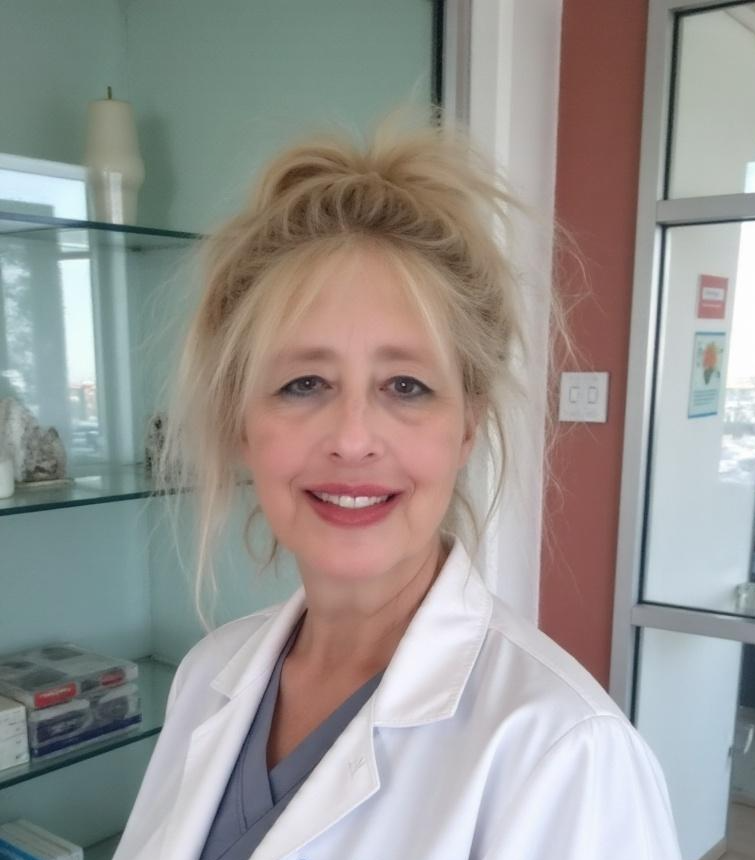
Nancy L. Kimmel obtained her PhD in Environmental Engineering in 2002, then went on to teach Physics and Mechanical Engineering at Lawrence Technological University, Henry Ford College and Oakland University. She obtained her Associate in Nursing from Henry Ford College and then went on to earn her Master Degree as a Family Nurse Practitioner and became Board Certified working as a licensed FNP in the State of Michigan. She then went on to Medical School where she is now in her 3rd year, and is also in the process of obtaining her Doctorate in Nursing Practice through Chamberlin University. She has authored the NET Study Guide, as well a several books on subjects of Math, ECG/EKG and Phlebotomy. She holds a patent on an Air Filter through the U.S. Patent Office.
313-826-2381