
The Microbiome Revolution: Implications for Various Health Professions
The human body is home to trillions of microorganisms, collectively known as the microbiome. This vast community of bacteria, viruses, fungi, and other microscopic life forms has emerged as a critical factor in human health and disease. The growing understanding of the microbiome’s role is revolutionizing our approach to medicine across various specialties. This article explores the microbiome revolution and its far-reaching implications for different health professions.
Understanding the Microbiome
The human microbiome consists of microorganisms that live on and in our bodies. Key facts include:
- The number of microbial cells in our body roughly equals the number of human cells.
- The gut microbiome alone contains over 1000 species of bacteria.
- Microbial genes outnumber human genes by about 150 to 1.
These microorganisms play crucial roles in:
- Digestion and metabolism
- Immune system function
- Brain function and behavior
- Vitamin production
- Protection against pathogens
The Microbiome Revolution in Medicine
The growing understanding of the microbiome’s importance is reshaping medical practice across various specialties:
1. Gastroenterology
Gastroenterologists are at the forefront of microbiome research, given the gut’s large microbial population.
- Inflammatory Bowel Disease (IBD): Studies show altered gut microbiota in IBD patients. Treatments now include strategies to modify the gut microbiome.
- Fecal Microbiota Transplantation (FMT): This procedure, which transfers fecal matter from healthy donors to patients, has shown remarkable success in treating recurrent Clostridium difficile infections.
- Colorectal Cancer: Research suggests that certain gut bacteria may contribute to colorectal cancer development, opening new avenues for prevention and treatment.
2. Immunology and Allergology
The microbiome plays a crucial role in training and modulating the immune system.
- Autoimmune Diseases: Changes in the microbiome have been linked to various autoimmune conditions, including type 1 diabetes and rheumatoid arthritis.
- Allergies: The “hygiene hypothesis” suggests that reduced microbial exposure in early life may contribute to the rise in allergies and asthma.
3. Dermatology
The skin microbiome is emerging as a key player in dermatological health.
- Acne: Imbalances in the skin microbiome may contribute to acne, leading to new probiotic-based treatments.
- Atopic Dermatitis: Research is exploring how modulating the skin microbiome could help manage this condition.
4. Neurology and Psychiatry
The gut-brain axis, a bidirectional communication system between the gastrointestinal tract and the central nervous system, is heavily influenced by the gut microbiome.
- Neurodegenerative Diseases: Some studies suggest a link between gut microbiome composition and conditions like Parkinson’s and Alzheimer’s disease.
- Mental Health: Emerging research is exploring connections between the microbiome and conditions like depression and anxiety.
5. Oncology
The microbiome’s role in cancer is a rapidly growing area of research.
- Cancer Development: Certain microbes may promote or protect against cancer development in various organs.
- Treatment Response: The gut microbiome can influence how patients respond to cancer treatments, including immunotherapy.
6. Obstetrics and Pediatrics
The microbiome plays a crucial role in early life development.
- Pregnancy: The maternal microbiome influences fetal development and may affect the risk of preterm birth.
- Infant Health: Early colonization of an infant’s microbiome, influenced by factors like delivery method and feeding practices, can have long-lasting health effects.
Implications for Healthcare Practices
The microbiome revolution is changing healthcare practices across specialties:
- Diagnostic Tools: Microbiome testing is becoming more common, helping to identify imbalances that may contribute to disease.
- Personalized Medicine: Understanding a patient’s unique microbiome can help tailor treatments more effectively.
- Preventive Strategies: Maintaining a healthy microbiome is becoming a key part of preventive healthcare.
- New Therapies: Probiotics, prebiotics, and microbiome-modulating drugs are emerging as novel therapeutic approaches.
- Interdisciplinary Collaboration: The far-reaching effects of the microbiome necessitate increased collaboration between medical specialties.
Challenges and Future Directions
While the potential of microbiome research is enormous, several challenges remain:
- Complexity: The microbiome is highly complex and variable, making it challenging to establish clear cause-and-effect relationships.
- Standardization: There’s a need for standardized methods in microbiome research and clinical applications.
- Translation to Clinical Practice: Turning microbiome research into effective clinical interventions remains a significant challenge.
Future directions in microbiome research and application include:
- Development of more targeted probiotics and prebiotics
- Microbiome-based biomarkers for disease diagnosis and prognosis
- Engineered microbes for therapeutic purposes
- Integration of microbiome data with other -omics data for a more comprehensive understanding of health and disease
Conclusion
The microbiome revolution is fundamentally changing our understanding of human health and disease. As research progresses, it’s becoming increasingly clear that the microbiome plays a crucial role in nearly every aspect of our health. For healthcare professionals across all specialties, staying informed about microbiome research and its clinical applications will be essential for providing cutting-edge, comprehensive care.
The future of medicine is likely to involve a much greater focus on maintaining and modulating the microbiome for optimal health. As we continue to unravel the complexities of our microbial companions, we open up exciting new possibilities for preventing and treating a wide range of diseases. The microbiome revolution is not just a passing trend – it represents a fundamental shift in how we approach human health and medicine.
References
- Gilbert, J. A., et al. (2018). Current understanding of the human microbiome. Nature Medicine, 24(4), 392-400.
- Lynch, S. V., & Pedersen, O. (2016). The Human Intestinal Microbiome in Health and Disease. New England Journal of Medicine, 375(24), 2369-2379.
- Sender, R., Fuchs, S., & Milo, R. (2016). Revised Estimates for the Number of Human and Bacteria Cells in the Body. PLoS Biology, 14(8), e1002533.
- Cryan, J. F., et al. (2019). The Microbiota-Gut-Brain Axis. Physiological Reviews, 99(4), 1877-2013.
- Gopalakrishnan, V., et al. (2018). The Influence of the Gut Microbiome on Cancer, Immunity, and Cancer Immunotherapy. Cancer Cell, 33(4), 570-580.
- Grice, E. A., & Segre, J. A. (2011). The skin microbiome. Nature Reviews Microbiology, 9(4), 244-253.
- Ferretti, P., et al. (2018). Mother-to-Infant Microbial Transmission from Different Body Sites Shapes the Developing Infant Gut Microbiome. Cell Host & Microbe, 24(1), 133-145.e5.
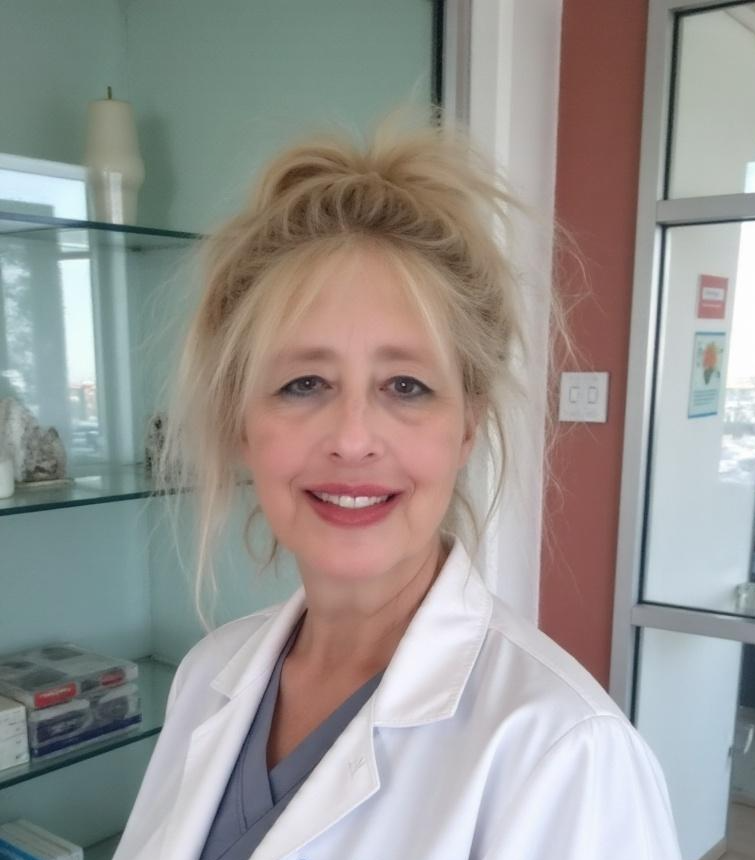
Nancy L. Kimmel obtained her PhD in Environmental Engineering in 2002, then went on to teach Physics and Mechanical Engineering at Lawrence Technological University, Henry Ford College and Oakland University. She obtained her Associate in Nursing from Henry Ford College and then went on to earn her Master Degree as a Family Nurse Practitioner and became Board Certified working as a licensed FNP in the State of Michigan. She then went on to Medical School where she is now in her 3rd year, and is also in the process of obtaining her Doctorate in Nursing Practice through Chamberlin University. She has authored the NET Study Guide, as well a several books on subjects of Math, ECG/EKG and Phlebotomy. She holds a patent on an Air Filter through the U.S. Patent Office.
313-826-2381