
How Much Does a Phlebotomist Make? (2026 Salary Guide)
If you are thinking about becoming a phlebotomist, you are probably wondering about the bottom line: How much does a phlebotomist actually make? It is the most important question to ask before investing time and money into a new career.
The good news is that phlebotomy offers a solid, dependable income with excellent job security, benefits, and room for growth. However, your actual take-home pay can vary significantly based on where you live, where you work, and whether you are certified.
Here is a detailed breakdown of phlebotomist salaries in 2026.
The National Average Salary
According to the most recent data from the Bureau of Labor Statistics (BLS), the median annual wage for phlebotomists in the United States is $38,530, which breaks down to about $18.52 per hour [1].
However, that is just the median. The lowest 10 percent of phlebotomists earn less than $30,250, while the highest 10 percent earn more than $51,610 [1]. Where you fall on that spectrum depends on several key factors.
Factor 1: Location Matters
Just like real estate, phlebotomy salaries are heavily influenced by location. States with a higher cost of living and higher demand for healthcare workers pay significantly more.
For example, if you look at Phlebotomy Certification in California, you will see that California is the highest-paying state in the country for this profession, with an average salary of $56,600 [1]. Other top-paying states include New York, Washington, and Massachusetts.
Even within a state, salaries vary. Phlebotomists working in major metropolitan areas like Los Angeles, Chicago, or New York City generally earn higher hourly rates than those in rural areas to offset the cost of living.
Factor 2: Where You Work (The Employer)
Not all healthcare facilities pay the same. The type of employer you choose will have a major impact on your paycheck. According to the BLS, here is how the top employers stack up [1]:
- Outpatient Care Centers: $44,580 (Highest paying)
- Medical and Diagnostic Laboratories (e.g., Quest, LabCorp): $40,650
- Hospitals (State, Local, and Private): $37,860
- Physician Offices: $36,990
While hospitals might pay slightly less on average, they often offer superior benefits packages, including premium health insurance, retirement matching, and tuition reimbursement, which adds significant value to your total compensation.
Factor 3: Certification Equals Cash
If you want to maximize your earning potential, you must get certified. While certification is not legally required in every state, uncertified phlebotomists generally start at the absolute bottom of the pay scale.
Employers view national certification (from agencies like the NHA, ASCP, or AMCA) as proof of your competence. Certified phlebotomists not only command higher starting salaries, but they are also eligible for supervisory roles and specialized positions (like mobile phlebotomy or pediatric draws) that pay premium rates.
For a deeper dive into how certification impacts your career trajectory, read our Phlebotomist Employment and Salary Analysis.
How to Increase Your Salary
If you want to push your salary toward the top of the pay scale, here are three ways to do it:
- Work the Night Shift: Hospitals operate 24/7. If you are willing to work the night shift or weekends, you can often earn a “shift differential,” which is an extra few dollars per hour added to your base pay.
- Become a Mobile Phlebotomist: Mobile phlebotomists travel to nursing homes, businesses, or private residences to draw blood. Because this requires independence and travel, it often pays significantly more than a stationary clinic job.
- Gain Experience: Like any career, your value increases with experience. A phlebotomist with five years of experience who can hit difficult veins on the first try is incredibly valuable to a busy hospital and will be compensated accordingly.
Start Earning Today
The fastest way to start earning a phlebotomist’s salary is to get your training and certification completed as quickly and efficiently as possible.
At Phlebotomy Career Training, our accredited programs give you the skills, knowledge, and clinical experience you need to pass your national exam and command a competitive starting salary.
Enroll in our Online Phlebotomy Certification Program today and take control of your financial future.
References:
[1] Bureau of Labor Statistics, U.S. Department of Labor, Occupational Outlook Handbook, Phlebotomists. https://www.bls.gov/ooh/healthcare/phlebotomists.htm
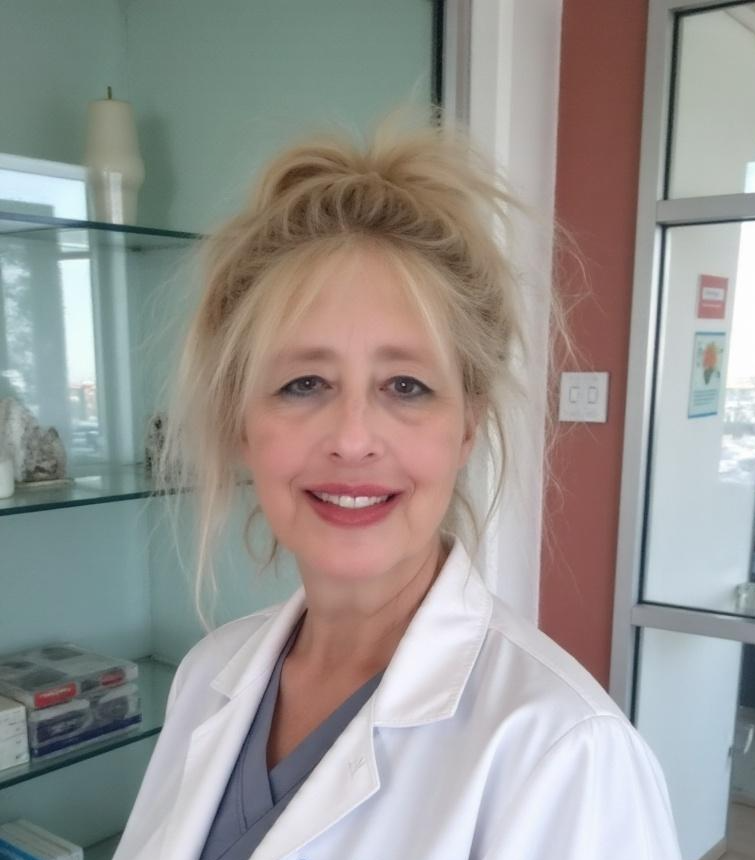
Nancy L. Kimmel obtained her PhD in Environmental Engineering in 2002, then went on to teach Physics and Mechanical Engineering at Lawrence Technological University, Henry Ford College and Oakland University. She obtained her Associate in Nursing from Henry Ford College and then went on to earn her Master Degree as a Family Nurse Practitioner and became Board Certified working as a licensed FNP in the State of Michigan. She then went on to Medical School where she is now in her 3rd year, and is also in the process of obtaining her Doctorate in Nursing Practice through Chamberlin University. She has authored the NET Study Guide, as well a several books on subjects of Math, ECG/EKG and Phlebotomy. She holds a patent on an Air Filter through the U.S. Patent Office.
313-826-2381