

Author: Nancy Kimmel, PhD MSN FNP-BC

Nancy L. Kimmel obtained her PhD in Environmental Engineering in 2002, then went on to teach Physics and Mechanical Engineering at Lawrence Technological University, Henry Ford College and Oakland University. She obtained her Associate in Nursing from Henry Ford College and then went on to earn her Master Degree as a Family Nurse Practitioner and became Board Certified working as a licensed FNP in the State of Michigan. She then went on to Medical School where she is now in her 3rd year, and is also in the process of obtaining her Doctorate in Nursing Practice through Chamberlin University. She has authored the NET Study Guide, as well a several books on subjects of Math, ECG/EKG and Phlebotomy. She holds a patent on an Air Filter through the U.S. Patent Office. 313-826-2381

Join Us for Our Graduation Ceremony This Saturday at the Michael Guido Center

Graduating STudents at phlebotomy career training in dearborn michigan

Join Us for Our Graduation Ceremony This Saturday at the Michael Guido Center Celebrating Student Achievement and New Beginnings This Saturday, June 7th at 12:00 noon, we invite our online students, in person students and the community to join us at the Michael Guido Center in Dearborn, Michigan, as we celebrate the achievements of our… Read more »

Iron Deficiency Anemia Explained: What Every Phlebotomist and Medical Assistant Needs to Know

Anemia: Types, Pathophysiology, and the Significance of Iron Deficiency Anemia, characterized by a reduction in hemoglobin concentration or red blood cell (RBC) count below normal ranges, represents one of the most common hematological disorders worldwide. This condition diminishes the blood’s oxygen-carrying capacity, resulting in tissue hypoxia that manifests as fatigue, weakness, and decreased exercise tolerance…. Read more »

The Twelve Cranial Nerves: Functional Anatomy and Clinical Significance

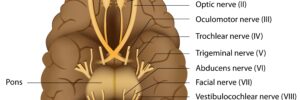
The Twelve Cranial Nerves: Functional Anatomy and Clinical Significance The cranial nerves are twelve pairs of nerves that emerge directly from the brain, primarily from the brainstem. These nerves are designated by Roman numerals I-XII, reflecting the order in which they exit the skull from anterior to posterior. Understanding cranial nerve anatomy and function is… Read more »

Streptococcus: A Comprehensive Overview of the Bacterium and Its Clinical Implications

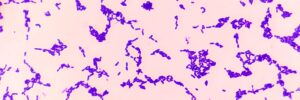
Streptococcus: A Comprehensive Overview of the Bacterium and Its Clinical Implications Introduction Streptococcus is a genus of Gram-positive, non-motile, non-spore-forming, catalase-negative cocci that typically grow in chains or pairs. These bacteria are facultative anaerobes and are characterized by their ability to cause a wide spectrum of diseases ranging from mild skin infections to life-threatening invasive… Read more »

The Renin-Angiotensin-Aldosterone System (RAAS) Explained: Essential Knowledge for Phlebotomy and Medical Assistant Students

  The Renin-Angiotensin-Aldosterone System (RAAS): A Step-by-Step Guide The renin-angiotensin-aldosterone system is a crucial hormonal cascade that regulates blood pressure, fluid balance, and vascular resistance. Here’s a comprehensive breakdown of this pathway: Step 1: Stimulus Detection The pathway begins when specialized cells in the kidneys (juxtaglomerular cells) detect one of three key stimuli: Decreased arterial… Read more »