The healthcare career might be both exciting and overwhelming to start. Many people start by searching for “Phlebotomy courses near me” because it is one of the quickest paths to entering the medical field. Phlebotomy is a hands-on job that involves constant interaction with patients, constant demand, and potential growth.
The difficulty lies in selecting the appropriate program. Training possibilities are not equal. Some are speed-oriented, focusing on quick certification, while others are depth-oriented, offering comprehensive skills and long-term career preparation. Understanding these differences and checking for accreditation helps you choose a program aligned with your career timeline and goals.
This guide will help you consider what to look for when comparing Phlebotomy programs near you to make the right decision and achieve your long-term career objectives.
Understand Your Career Goals First
Before joining any program, reflect on what you want to achieve. Clarifying your goals can help you feel more confident and motivated to choose the right path, whether you’re working in a hospital or clinic or pursuing long-term healthcare ambitions.
When looking for Phlebotomy courses in my area, it is important to understand which type of training will help you achieve your goals. Some are brief and only teach fundamental skills. Some others offer more profound training and career advice.
Clarity of goals makes it easy to choose the right course. You do not have to select the first program you come across; you can evaluate programs based on what suits your plans.
Check the Curriculum and Training Hours
There should be a good training program that would encompass theory and practice. When looking at Phlebotomy courses in my area, carefully review the course outline. It must cover such topics as:
- Anatomy and physiology basics
- Blood collection techniques
- Safety and infection control
- Patient communication
- Proper labelling and handling of samples
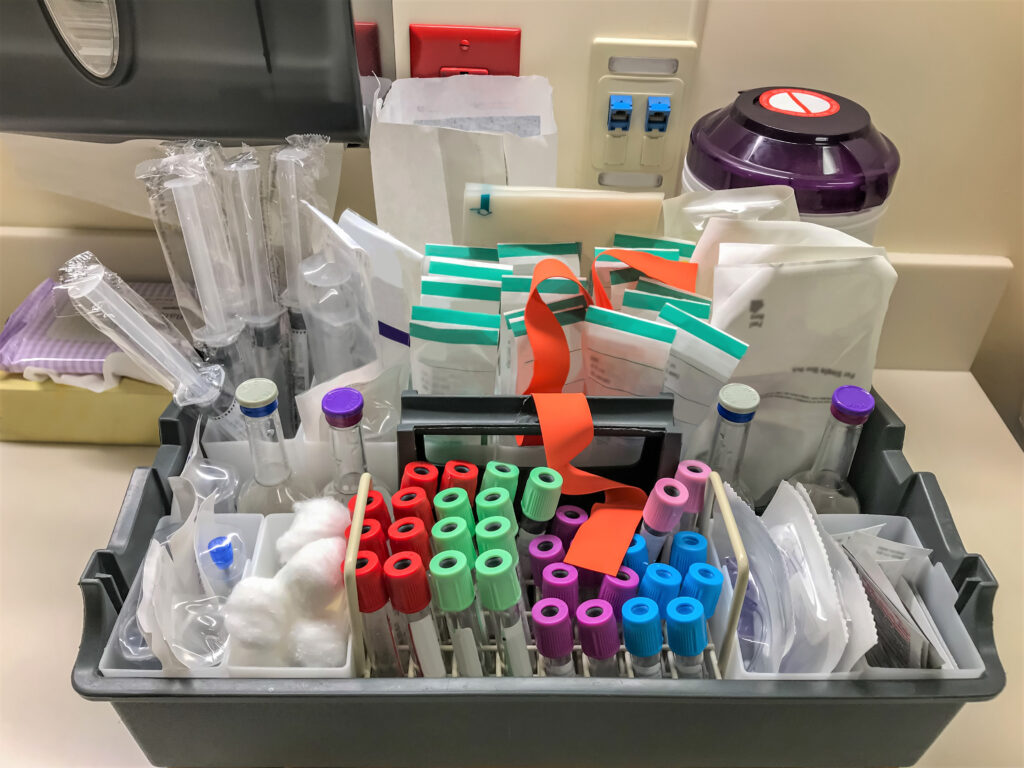
On-the-job training is necessary. Regular practice helps you draw blood with confidence. The best Phlebotomy schools in my area provide clinical practice or supervised lab simulations so you can build real-world skills safely and effectively. Prioritising programs with ample practical experience ensures you’re well prepared for real-world work.
The more practice you get, the more confident you will be at the start of the work.
Look at Certification Preparation
Certification is desired or mandatory for many employers. When looking at Phlebotomy courses in my area, consider whether the program prepares you for local certification exams and meets regional employment standards. Knowing this helps you select a course that aligns with your local job market requirements.
Check whether the program offers exam preparation, review sessions, or clear guidance on how to apply for certification. A course that supports you through the process can save time and reduce stress later on.
The certification is useful not only for finding employment but also for enhancing income.
Compare Class Format and Schedule
Flexibility is important, particularly when you are working or attending to family matters. When looking for Phlebotomy courses in my area, consider scheduling.
Some programs offer:
- Daytime classes
- Evening sessions
- Weekend training
- Hybrid learning with online theory and in-person labs
Select the format that suits your lifestyle. You are more likely to complete the program successfully when you have a schedule tailored to you.
Evaluate Instructor Experience
Seasoned teachers can reassure and support you, knowing you’re learning from experienced professionals who can share practical tips and real-world insights.
Instructors can share practical tips not covered in books, drawing on real clinical experience. They know the pitfalls, patient issues, and workplace goals.
Being taught by an experienced person in the field makes you feel more prepared for real-world situations.
Review Job Placement Support
One of the main concerns for students is finding employment after training. When researching Phlebotomy courses in my area, check whether the program provides career support.
This may include:
- Resume assistance
- Interview preparation
- Employer connections
- Job placement partnerships
Graduates can be encouraged to take jobs sooner through programs with strong local healthcare liaisons.
Compare Costs and Payment Options
Price is never a negligible consideration. When considering Phlebotomy courses in my area, consider more than the tuition alone.
Ask about:
- Registration fees
- Supply and equipment expenses.
- Certification exam fees
- Payment plans
There are even programs that offer flexible payment options or financial support. Enrolling in a course you can afford will help you focus on your education without worrying about how to meet your financial obligations.
Read Student Reviews and Testimonials
The testimonies of the ex-students can be helpful. Reviews on websites or social networks should be sought when looking for Phlebotomy courses near me.
Pay attention to comments about:
- Instructor support
- Training quality
- Job readiness
- Overall satisfaction
A reliable program is usually reflected in positive feedback from graduates.
Visit the Campus or Request Information
Visit the training venue whenever possible. Looking at the classroom and lab set-up will convince you that you made the right decision.
When I am researching Phlebotomy courses in my area, I ask the school to provide detailed information. Inquire about class sizes, training equipment, and student support services.
A well-structured environment typically characterises a well-structured program.
Think About Long-Term Opportunities
Most healthcare careers may start with phlebotomy. Others proceed into nursing, medical assisting or laboratory technology.
Selecting good Phlebotomy courses in my area will provide a solid foundation for future development. A curriculum focused on skills, professionalism, and patients will equip you with greater opportunities in the future.
Although you may be staying in phlebotomy in the long term, good training can assist you in becoming qualified to work in higher-level positions.
Make a Confident Decision
Choosing among the Phlebotomy courses in my area doesn’t have to be difficult. Focus on quality training, hands-on experience, supportive instructors, and clear career guidance.
Take your time with comparisons. Ask questions. Review every detail carefully. The right program will not only teach you how to draw blood safely, but also help you feel confident as you begin your first role in healthcare.
It begins with a single brilliant decision in your career path. By choosing the most appropriate Phlebotomy courses in my area, you will be setting yourself up for a stable job, significant opportunities to interact with patients, and a longer period of advancement in the healthcare industry.
Ready to Take the Next Step
It is time to start researching Phlebotomy classes in my area and identify a course that fits your objectives. Find a reputable training authority, seek out the program information and embark on a future healthcare career.
There is a new career sooner than you think.
Contact a trusted provider offering Phlebotomy courses near me today to request enrollment details and secure your spot in the next available class.
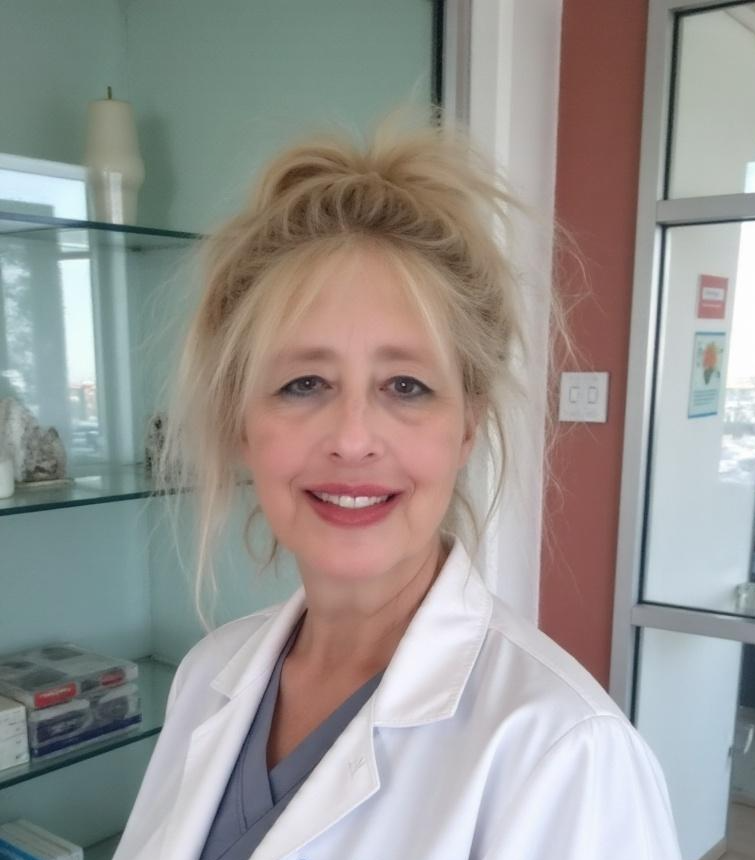
Nancy L. Kimmel obtained her PhD in Environmental Engineering in 2002, then went on to teach Physics and Mechanical Engineering at Lawrence Technological University, Henry Ford College and Oakland University. She obtained her Associate in Nursing from Henry Ford College and then went on to earn her Master Degree as a Family Nurse Practitioner and became Board Certified working as a licensed FNP in the State of Michigan. She then went on to Medical School where she is now in her 3rd year, and is also in the process of obtaining her Doctorate in Nursing Practice through Chamberlin University. She has authored the NET Study Guide, as well a several books on subjects of Math, ECG/EKG and Phlebotomy. She holds a patent on an Air Filter through the U.S. Patent Office.
313-826-2381