


Okay, let’s say it directly: Certified Clinical Medical Assistants (CCMAs) are unsung heroes. Without them, hospitals, clinics, and even private practices would likely come to a crawl. Like the glue that holds the whole healthcare profession together, they make sure all the patients are attended to, doctors are not overworked, and everything functions like a well-oiled machine.
Continue reading to discover more about the indispensable role of Certified Clinical Medical Assistants and why we need skilled CCMAs now more than ever before.
Real-World Skills That Actually Matter
CCMAs do not sit behind a desk, pushing paper or handing out clipboards. They are the frontline staff that interacts with patients on a daily basis. Their job responsibilities are vital and greatly impactful, i.e., taking vital signs and drawing blood, positioning patients for exams, and so on. A skilled CCMA can calm a cranky child before vaccinating him, assure an elderly patient that he will be okay during a long visit, and maintain a busy clinic at the same time. Most of them are EKGs, so they can help with minor procedures, give medications, and even take lab specimens. These are not minor tasks; they are essential for accurate diagnoses and efficient patient flow.
And the training? It’s not a stroll in the park. CCMA programs are classroom-based and involve clinical practice. The program has graduates who are competent and confident, even before their first exposure to a live medical setting. They are taught anatomy, medical terminology, infection control, and phlebotomy. When a CCMA steps into an exam room, there is no second-guessing on what to do with it—they have a clear idea on how to deal with it.
Streamlining Docs’ Lives and Patients’ Satisfaction
So why is that? Because physicians and nurses can simply not do it all. CCMAs hold a tremendous chunk of the workload so the physicians could focus on the work that is solely delegated to them: diagnose, treat, and make crucial medical decisions. Without the CCMAs to manage routine tasks, delivering care to patients would be at a snail’s pace.
But what is not spoken about so much is that patient satisfaction is also directly impacted by the work of the CCMAs. Patients will feel more comfortable speaking to the medical assistant who is taking their vital signs or chatting with them before the doctor comes in. The bond is one of trust and compassion. Research has shown that clinics with certified and highly trained assistants have higher patient satisfaction scores and have a better time overall.
This type of reassurance is significant. The overall experience improves when patients are heard and greeted when they enter the facility for the first time, and a big part of that is achieved by CCMAs.
Saving Money Without Skimping
It is true, healthcare costs money. As such clinics, hospitals, and practices are constantly looking for ways to deliver excellent care without breaking the bank. And that is where CCMAs come in with serious worth.
They are trained to perform both clinical and administrative tasks, therefore, they can be transferred wherever they are needed. For smaller practices, that flexibility is pure gold. They will be assisting in a procedure one minute and entering the electronic health records or follow-ups the other. It is having a Swiss Army knife in scrubs, a multi-purpose professional who can adapt to different functions without sacrificing the quality and safety.
CCMAs help healthcare institutions by assuming duties that do not require registered nurses or doctors, which is cost-saving. It’s a win-win situation, as clinics are run efficiently without compromising patient care!
Rising to the Challenge
The healthcare system is not going to ease up anytime soon. The workload is already massive due to the growing elderly population and the increasing demands of chronic and preventive care. CCMAs will be the bridge that allows medical teams to meet this growing demand.
They handle the day-to-day, critical elements of patient care and allow the system to function, leaving the physicians to make complex medical choices. And in today’s telehealth and electronic medical records world, CCMAs are frequently the ones ensuring the technical side of healthcare doesn’t break down. They solve problems, update, document, and verify data, keeping the virtual backbone of healthcare in place.
It’s Not a Dead-End Job
One of the best things about becoming a CCMA is that it’s not only a job—it’s a career starter. Many utilize it as a stepping stone into other healthcare professions. Some become phlebotomists, EKG techs, pharmacy technicians, or even nurse practitioners later.
The career advancement opportunities are limitless. Certifications from bodies, such as the National Healthcareer Association (NHA) or American Medical Technologists (AMT), include ongoing education and professional development resources. CCMAs are motivated to continue learning, continue developing, and remain updated with emerging medical practices. In short, this career path favors ambition.
Safety First, Always
In the medical field, safety is the foundation of everything, and CCMAs are trained to conduct their work with that in mind. They are the guardians of safety and compliance, adhering to infection control and sterile techniques, documentation protocols, and patient identification requirements.
They are competent in practical skills assessments and competency tests, which assure them of withstanding pressure. A CCMA does not hazard a guess when marking a blood sample, giving a medication or preparing an instrument tray. They follow strict guidelines that are designed to protect the patient and the staff.
Team Players, Not Lone Wolves
Maybe the most beneficial aspect of the CCMAs is how well they can mesh with the group. They are the experts in communication between the doctors, nurses, lab techs, and also the administrative staff. They make sure that no detail gets lost in translation and that individuals remain on the same page. This coordination keeps the entire operation running smoothly.
The Bottom Line
Certified Clinical Medical Assistants are the MVPs of healthcare at the end of the day. They bring ability, empathy, and stability to an environment that could easily descend into chaos without them.
They are not always in the limelight, but anyone who ever worked in a clinic is aware of the truth: without CCMAs, the modern healthcare system cannot function.
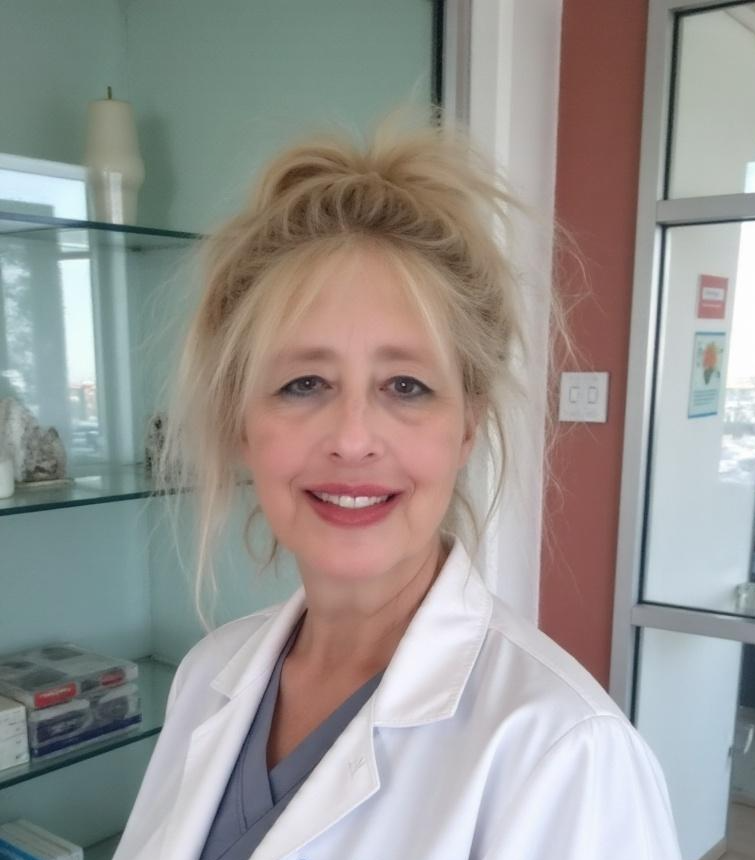
Nancy L. Kimmel obtained her PhD in Environmental Engineering in 2002, then went on to teach Physics and Mechanical Engineering at Lawrence Technological University, Henry Ford College and Oakland University. She obtained her Associate in Nursing from Henry Ford College and then went on to earn her Master Degree as a Family Nurse Practitioner and became Board Certified working as a licensed FNP in the State of Michigan. She then went on to Medical School where she is now in her 3rd year, and is also in the process of obtaining her Doctorate in Nursing Practice through Chamberlin University. She has authored the NET Study Guide, as well a several books on subjects of Math, ECG/EKG and Phlebotomy. She holds a patent on an Air Filter through the U.S. Patent Office.
313-826-2381