What It’s Actually Like to Train at PCT Institute Let me walk you through it. You pull into the lot on Michigan Avenue. You’ve driven past this building a hundred times, but today you’re walking through that blue door for real. You’re nervous. Maybe you’re coming straight from high school. Maybe you’re switching careers at… Read more »
What Actually Makes PCT Institute Different You’ve heard us talk about rebuilding from the ground up. About working with educators across the country. About thousands of hours of curriculum development. But what does that actually mean when you sit down to learn? Let me show you. Most healthcare training programs buy off-the-shelf curriculum, slap… Read more »
Coming Soon: PCT Institute of Healthcare Remember that big blue building on Michigan Avenue? The one I told you was about to become something more? Well. Here we are. PCT Institute of Healthcare is the same school as Phlebotomy Career Training, and its new name and look are officially here. Same address. Same team. Same… Read more »
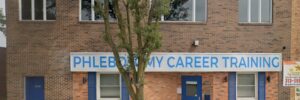
Something Big Is Coming to Dearborn If you’ve driven down Michigan Avenue in Dearborn lately, you’ve probably seen it. The big blue building. The blue shutters, the blue front door, the sign that’s been catching sunlight out there for years: Phlebotomy Career Training. Maybe you’ve pulled into the lot. Maybe you’ve walked through those doors… Read more »
Choosing a healthcare profession can’t be a casual decision. Most people who turn their eyes that way are driven by a desire for the first two things, namely: sure work and purpose, and the third thing, namely: skills that retain their value over time. But at the same time, uncertainties arise. Will I be wrong?… Read more »
Don't Know Where to Begin?
If you have a question about one of our programs, need advice on where to begin, or any other inquiry - we're here to help. Give us a call today at 734-762-3220 or click on the button below to get in touch with us today.